Reforma, Mexico
- 26,257 people
- 1 places to visit
- 17.8652, -93.149
Places to Visit (1)
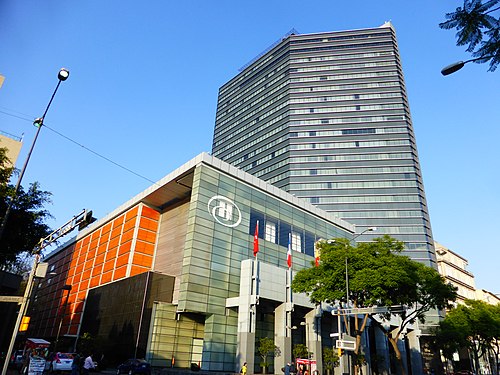
Reforma is a vibrant city located in the southeastern region of the state of Chiapas, Mexico. Known for its picturesque landscapes and strategic position, Reforma is approximately 30 kilometers northeast of the state capital, Tuxtla Gutiérrez. The city was founded in 1970 and has since evolved into a crucial center for commerce, agriculture, and industry within the region. It benefits from a diverse economy primarily driven by agricultural production, with coffee, corn, and sugarcane being the main crops cultivated in the surrounding areas. The city has a population of around 30,000 residents, who contribute to its dynamic cultural fabric, enriched by a mix of indigenous traditions and modern influences.
The town is characterized by its friendly community atmosphere, reflected in local festivals and events that celebrate both national holidays and regional customs. The annual Feria de Reforma, a significant festival, showcases local art, cuisine, and music, drawing visitors from neighboring towns. Reforma's infrastructure has developed notably, with improvements in transportation and public services, which facilitate trade and connectivity with other regions. The city's proximity to natural attractions, such as the Sumidero Canyon and the Lacandon Jungle, adds to its appeal as a destination for both tourists and adventurers seeking to experience the beauty of Chiapas. The amalgamation of agricultural productivity, cultural richness, and natural wonders positions Reforma as an important yet often overlooked gem in Mexico's diverse landscape.
Facts about Reforma
- Reforma, officially known as Ciudad Reforma, is located in the state of Chiapas, Mexico, and is often referred to as a vital agricultural hub.
- The city is home to the famous 'Festival Internacional de la Cultura' which showcases art, music, and culture from both local and international artists.
- Reforma has a unique geographical feature where it is situated at the confluence of the Grijalva and Usumacinta rivers, making it a pivotal point for transportation and trade.
- The city's name, Reforma, reflects the historical Reform Movement in Mexico, which aimed to establish a more secular and egalitarian society during the 19th century.
- Reforma hosts the 'Parque Central', a central park that serves as a recreational area and venue for local festivities, distinguishing it from many smaller towns in the region.
- The local economy is significantly driven by coffee production, with surrounding plantations recognized for producing high-quality coffee beans that contribute to Mexico's export.
- Reforma has a rich tradition of artisan crafts, particularly in textiles and pottery, showcasing the skills of local artisans and contributing to the city's cultural identity.
- The city is renowned for its annual 'Muestra de Cine Indígena', celebrating indigenous filmmaking and providing a platform for indigenous voices, a unique event among Mexican cities.
- Reforma is strategically positioned near the archaeological site of Palenque, allowing it to serve as a gateway for tourists visiting this UNESCO World Heritage Site.
- Unlike many other cities in Mexico, Reforma has a relatively low population density, which contributes to a more relaxed lifestyle and spacious living conditions.