Rennes, France
- 220,488 people
- 17 places to visit
- 48.1173, -1.6778
Places to Visit (17)
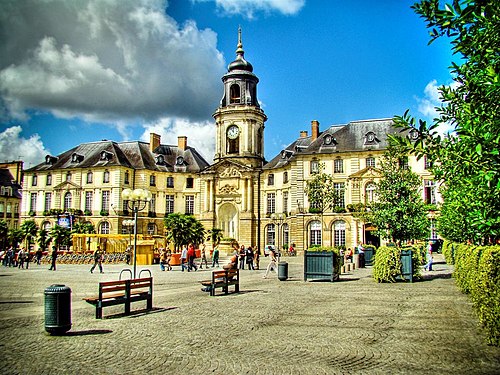
Rennes, the capital of the Ille-et-Vilaine department in Brittany, France, is a vibrant city known for its rich history, cultural heritage, and beautiful architecture. With a population of approximately 220,000 inhabitants, it is the ninth-largest city in France. Historically, Rennes has been a significant center for trade and culture since the Roman era, evidenced by remnants of ancient walls and structures that still stand today. The city became the administrative capital of Brittany in the 16th century, which helped solidify its importance in regional politics and culture.
Rennes boasts a mix of medieval and modern architecture, particularly visible in its lively city center. The historical district features cobblestone streets, half-timbered houses, and the stunning Parliament of Brittany, an impressive 17th-century building that highlights the city’s judicial heritage. Rennes is also known for its remarkable cultural scene, including numerous festivals, theaters, and museums. The city hosts the Festival Transmusicales, which showcases emerging music talents, and the Festival Mythos, a celebration of storytelling and performance. The city’s vibrant student population, influenced by its major educational institutions such as the University of Rennes 1 and 2, brings youthful energy to its cafes, bars, and markets.
Modern Rennes is also notable for its commitment to sustainable development and urban innovation. Initiatives to promote green spaces, cycling, and public transport make it an appealing place for both residents and visitors. The city's older districts offer a plethora of dining options, featuring both traditional Breton cuisine and contemporary fare, reflecting the region's culinary diversity. With a blend of history, culture, and modernity, Rennes presents a unique experience for those looking to explore one of France’s lesser-known yet captivating cities.
Facts about Rennes
- Rennes is the capital of Brittany, one of France's most unique and historically rich regions, known for its distinct Celtic culture and language.
- The city is home to the Parlement de Bretagne, a 17th-century building that serves as a symbol of Brittany’s historical sovereignty and is a major architectural landmark.
- Rennes boasts one of the largest student populations in France, with around 65,000 students enrolled in its universities, contributing to a vibrant youthful atmosphere.
- The city features a mix of historical and modern architecture, with timber-framed houses dating back to the 16th century alongside contemporary structures such as the Les Champs Libres cultural complex.
- Rennes has a unique festival culture, hosting the famous Trans Musicales music festival, which showcases emerging artists and genres, drawing international attention.
- The Parc du Thabor in Rennes is known for its beautiful gardens, blending French formal and English-style gardens, and features an impressive rose garden with over 2,000 varieties.
- Rennes has a strong tradition of gastronomy, being famous for its galettes de sarrasin (buckwheat pancakes) and the nearby production of cider.
- The city is one of the few places in France where the Breton language is actively used and promoted, with bilingual signage present throughout the city.
- Rennes is recognized for its sustainable initiatives, including the implementation of a comprehensive bicycle-sharing system and extensive public transportation options, making it one of France's greenest cities.
- Rennes celebrates the Fête de la Musique every June, with musicians of all genres taking to the streets to perform, reflecting the city’s dedication to music and culture.