Requena, Spain
- 21,278 people
- 10 places to visit
- 39.489, -1.0993
Places to Visit (10)
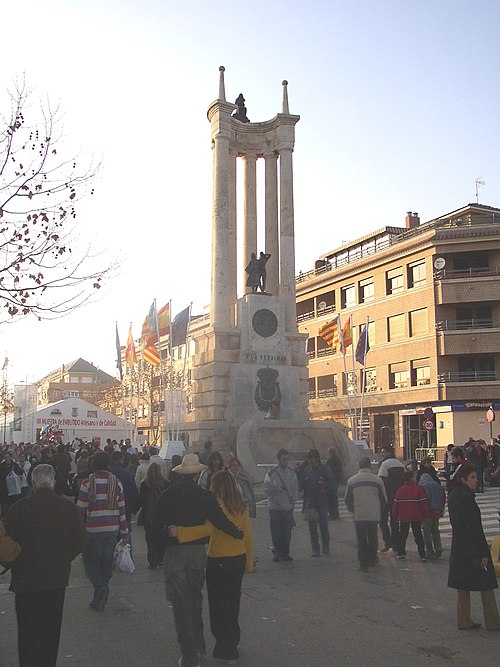
Requena is a historic town located in the province of Valencia, in the autonomous community of Valencia, Spain. Situated approximately 70 kilometers west of Valencia city, Requena boasts a rich cultural heritage that reflects its long history, dating back to Roman times. The town is prominently positioned along the banks of the river Cabriel and is part of the picturesque landscape of the Utiel-Requena wine region, known for its quality wines, particularly those derived from the Bobal grape. The town itself is characterized by its medieval architecture, with winding streets, charming plazas, and a prominent castle that offers stunning views of the surrounding countryside.
One of the most significant cultural events in Requena is its annual festival, known as the Fiesta de la Vendimia, which celebrates the grape harvest in September. This lively celebration features parades, traditional music, and tastings of local wines, attracting both locals and tourists alike. Additionally, the town has several historical landmarks, including the 13th-century church of El Salvador and the remnants of the medieval walls that once protected Requena. The blend of historical significance with the region’s viticulture has made Requena a notable destination for those interested in both history and gastronomy. The local economy is largely supported by agriculture, particularly viticulture, along with tourism, drawing visitors to its rich heritage and scenic landscapes.
Facts about Requena
- Requena is famous for its unique underground wine cellars, known as 'bodegas', which date back to the 15th century, showcasing the city’s long-standing winemaking tradition.
- The city hosts the annual Wine Festival, 'Fiestas de la Vendimia', celebrating the local harvest and attracting wine enthusiasts from all over Spain and beyond.
- Requena is home to the Church of San Nicolás, a 13th-century structure that exemplifies Mudéjar architecture, blending Christian and Moorish styles.
- The historic town center of Requena is characterized by its charming winding streets and well-preserved medieval architecture, making it a popular destination for cultural tourism.
- Requena is part of the Utiel-Requena wine region, known for its high-quality Bobal grape variety, which is native to the area and contributes significantly to its wine production.
- The town features the Castle of Requena, a medieval fortress that offers panoramic views of the surrounding landscape and reflects the city’s strategic importance in history.
- Every August, Requena celebrates the 'Fiesta de la Octava del Corpus', a colorful religious festival featuring traditional music, dance, and processions unique to the region.
- Requena’s archaeological findings have revealed remnants of Roman settlements, indicating that the area has been inhabited since ancient times.
- The municipality is also known for its traditional gastronomy, including dishes like 'arroces' (rice dishes) and 'embutidos' (cured meats), reflecting the local agricultural heritage.
- Requena is strategically located at the crossroads of important transport routes, making it an essential hub for trade and commerce in the Valencia region.