Resistencia, Argentina
- 290,793 people
- 15 places to visit
- -27.4519, -58.9856
Places to Visit (15)
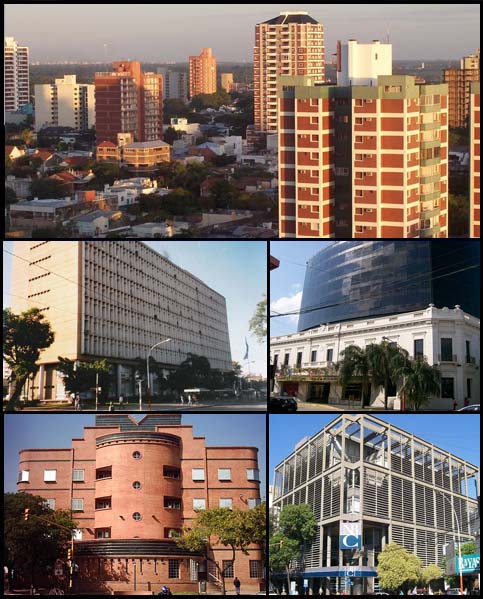
Resistencia is the capital city of the Chaco Province in Argentina, situated in the northeast region of the country alongside the banks of the Paraná River. Founded on April 22, 1876, the city has developed into a vital economic and cultural hub for the region. With a population of approximately 300,000 residents, Resistencia is known for its distinctive blend of urban and natural landscapes, characterized by its numerous parks and green spaces, such as the renowned Parque 2 de Febrero. The city's layout features wide avenues, a mix of architectural styles, and an emphasis on public art, with an impressive collection of sculptures adorning many public spaces, earning it the nickname "La ciudad de las esculturas" or "The City of Sculptures.”
The economy of Resistencia is primarily based on agriculture, industry, and trade, benefiting from its strategic location near important transport routes, including proximity to Paraguay and Brazil. The city serves as a logistic center, facilitating commerce and trade within the Mercosur framework. Key industries in the region include furniture production, textiles, and agriculture, particularly the cultivation of cotton, soybeans, and livestock farming. Additionally, Resistencia is home to several educational institutions and cultural organizations, including the National University of the Northeast, which contributes to the city’s educational landscape and workforce development.
Culturally, Resistencia hosts a variety of festivals and events throughout the year, showcasing its rich heritage and diverse traditions. The city celebrates its indigenous roots and reflects a blend of European influences in its culture, evident in the local cuisine, music, and art. Notable cultural events include the Fiesta Nacional del Chamamé, which celebrates traditional folk music and dance, and the Expo de Artesanías, highlighting regional craftsmanship. The city also has a vibrant theater scene, with several theaters and cultural centers promoting local talent and artistic expression. Resistencia's commitment to preserving its cultural identity while fostering economic growth makes it a significant player in the landscape of Argentine cities.
Facts about Resistencia
- Resistencia is known as the 'City of Sculptures' due to its impressive collection of over 500 outdoor sculptures and monument installations by various artists throughout the city.
- The city has a unique architectural style that features a blend of modern and traditional structures, many reflecting the influence of indigenous cultures and colonial history.
- Resistencia is the capital of the Chaco Province, which is known for its rich natural resources, including the Gran Chaco region, one of the largest dry forests in the world.
- The city celebrates the National Day of the Sculptor on October 17 each year, honoring artists and promoting public art, making it a significant cultural event in Argentina.
- Resistencia is home to the Centro Cultural La Máscara, a cultural center that promotes local arts, literature, and theatre, distinguishing it from other Argentine cities with similar facilities.
- The city has established a reputation for being a center of cultural diversity, with a significant indigenous population contributing to its cultural vibrancy.
- Resistencia hosts the annual 'Fiesta Nacional del Puente' (National Bridge Festival), celebrating the iconic Puente Interprovincial General Manuel Belgrano that connects it to Corrientes across the Paraná River.
- Its location along the banks of the Paraná River provides unique recreational opportunities, such as fishing, boating, and ecotourism in the surrounding natural areas.
- The city plays a significant role in the agrarian economy of Argentina, serving as a commercial hub for the agricultural products of the Chaco Province.
- Unlike many other cities in Argentina, Resistencia is known for its extensive green spaces and parks, promoting outdoor activities and community events.