Reşiţa, Romania
- 81,228 people
- 6 places to visit
- 45.305, 21.8821
Places to Visit (6)
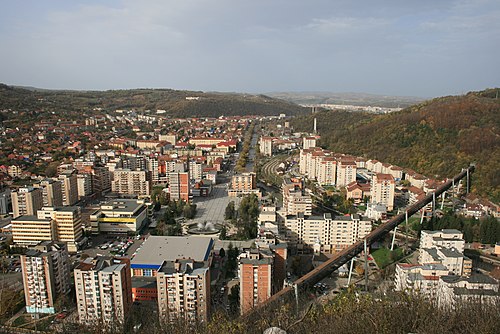
Reşiţa is a city located in the southwestern part of Romania, serving as the capital of Caraș-Severin County. Nestled in the semi-mountainous region of Banat, Reşiţa sits at the confluence of the River Bârzava and several surrounding hills, offering picturesque natural landscapes. With a population of approximately 50,000 residents, the city has experienced significant demographic changes over the years, primarily influenced by its historical industrial development. Established as a mining and iron processing center in the mid-18th century, Reşiţa rapidly transformed into a hub for metallurgy, benefiting from rich natural resources in the surrounding areas.
The industrial legacy of Reşiţa is evident in the city's architecture and cultural landscape. One of the most important landmarks is the Reşiţa steelworks, which has been a significant contributor to the local economy and is emblematic of the city’s industrial past. The ironworks complex, dating back to 1771, played a crucial role in the industrialization of Romania and was a key player during the socialist era when heavy industry was prioritized. In addition to its industrial heritage, Reşiţa boasts various cultural institutions, including the Reşiţa Railway Museum, which highlights the city's historical connection to railway transport and its evolution as a transportation hub in the region.
The city also has a rich cultural scene that reflects its diverse ethnical makeup, with significant Romanian, Hungarian, German, and Serbian communities. This diversity is celebrated through various local festivals and events, showcasing traditional music, dance, and cuisine. Reşiţa is also a gateway to the nearby Semenic-Cheile Carașului National Park, known for its stunning natural beauty and outdoor recreational opportunities, such as hiking, mountain biking, and winter sports. The combination of its industrial heritage, cultural diversity, and natural surroundings makes Reşiţa a unique destination within Romania, contributing to the country’s rich tapestry of history and culture.
Facts about Reşiţa
- Reşiţa is known as the 'City of the Iron' due to its historical significance in iron and steel production, making it one of the most important industrial centers in Romania.
- The city hosts the first railway in Romania, established in 1854, which was a crucial development for the industrialization of the region.
- Reşiţa is home to the largest and oldest ironworks in Romania, Combinatul Fondul Miner, founded in the 18th century and still a significant employer in the area.
- The local architecture features a unique blend of industrial heritage and mountainous scenery, characterized by iconic factories alongside natural landscapes.
- Reşiţa is situated on the banks of the Bârzava River, contributing to its picturesque setting and the development of hydroelectric power in the region.
- The city is an important cultural hub, hosting the Reşiţa Philharmonic Orchestra, which emphasizes the city's rich musical history and community involvement in the arts.
- Reşiţa's 'Muzeul Banatului Montan' (Museum of Mountain Banat) showcases the history of the mining and metalworking industries, reflecting the city’s industrial roots.
- The city boasts the Reşiţa Fortress, a historical structure that offers panoramic views of the surrounding mountains and serves as a reminder of the region's military history.
- Reşiţa organizes an annual Steel and Iron Festival, celebrating its industrial heritage with parades, workshops, and cultural performances that highlight local traditions.
- The 'Centrul Civic' of Reşiţa features distinct modernist architecture that contrasts with the city's industrial past, making it a focal point for social and cultural activities.