Reus, Spain
- 107,118 people
- 14 places to visit
- 41.1498, 1.1055
Places to Visit (14)
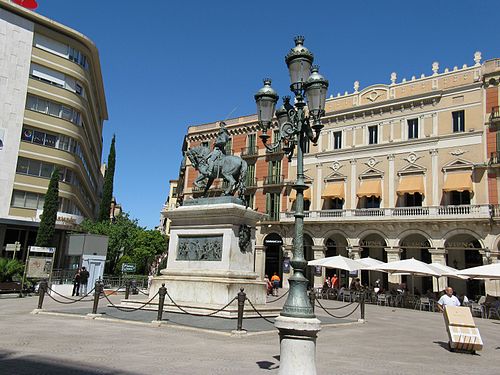
Reus is a vibrant city located in the province of Tarragona, in Catalonia, Spain. It lies approximately 15 kilometers northwest of the Mediterranean coast and serves as an important economic and cultural hub within the region. With a population of around 100,000 inhabitants, Reus is known for its rich history, modernist architecture, and as the birthplace of the famous architect Antoni Gaudí. The city’s historical roots trace back to Roman times, when it was known as “Reus” and served as a significant settlement in the Tarragona province. Evidence of this historical significance can still be found in the city's architecture, including the remains of Roman buildings and structures.
One of Reus's most notable features is its modernist architectural heritage, which is characterized by buildings designed by local architects in the late 19th and early 20th centuries. The city is home to several remarkable structures, such as the Casa Navàs, a modernist masterpiece designed by Lluís Domènech i Montaner, and the Casa Rull, which showcases intricate designs and decorative elements typical of the period. These buildings reflect the prosperous era of the city, driven by the expansion of the wine industry, particularly the production of the famous Vermouth. Reus is also recognized for its dynamic cultural scene, hosting festivals and events that celebrate both traditional and contemporary Catalan culture. The annual Reus Festival, for instance, includes a variety of activities, attracting visitors to enjoy local cuisine, music, and art.
Furthermore, Reus plays an essential role in the economic landscape of Catalonia, benefiting from its strategic location near the Port of Tarragona and the Barcelona-Reus Airport. The city has a diverse economy, with key sectors such as commerce, industry, and tourism contributing to its growth. The local economy is bolstered by a strong emphasis on entrepreneurship, with numerous small and medium-sized enterprises serving a varied market. Overall, Reus stands out not only for its historical and architectural significance but also for its vibrant cultural identity and economic dynamism, making it an attractive destination for both tourists and residents alike.
Facts about Reus
- Reus is known as the birthplace of the famous architect Antoni Gaudí, who was born here in 1852.
- The city has a rich Modernisme (Catalan Art Nouveau) heritage, with several buildings designed by renowned architects like Lluís Domènech i Montaner and Pere Caselles.
- Reus is famous for its production of vermouth, particularly the traditional Catalan style, with several local brands still popular today.
- The city hosts the annual International Reus Gastronomy Festival, celebrating local culinary traditions and innovative chefs.
- Reus is home to the Gaudí Centre, an interactive museum dedicated to the life and work of Antoni Gaudí, showcasing his influence on architecture.
- The city features the unique Pallol street, which is lined with neoclassical buildings and is designated as a cultural heritage site.
- Reus played a pivotal role during the Spanish Civil War, serving as a key logistical base for Republican forces.
- The city has an impressive stock exchange building, known as the 'Borsa', which reflects its historical significance as a commerce hub.
- Reus is closely linked to Tarragona, as they share a local tradition of Castells (human towers), with Reus having its own team, the Castellers de Reus.
- The city is recognized for its significant contributions to education, housing several prestigious institutions and a thriving university community.