Reykjanesbær, Iceland
- 19,724 people
- 7 places to visit
- 63.9989, -22.5622
Places to Visit (7)
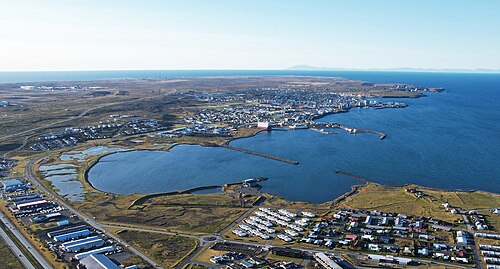
Reykjanesbær is a coastal municipality located in southwestern Iceland, primarily situated on the Reykjanes Peninsula. This region is known for its unique geological features, including volcanic landscapes, lava fields, and geothermal activity. Established in 1994 through the merger of several towns, Reykjanesbær encompasses the settlements of Keflavík, Njarðvik, and the former town of Hafnir, among others. With a population of around 20,000 residents, it serves as a vital hub for both local and international activities, particularly due to its proximity to Keflavík International Airport, the largest airport in Iceland.
The city is rich in cultural and historical significance, reflecting Iceland's maritime heritage. Keflavík, one of its main districts, has a storied history linked to fishing and the United States military presence during World War II and the Cold War. Today, Reykjanesbær is known for its thriving community life, with numerous recreational facilities, schools, and a strong emphasis on sports and outdoor activities, thanks to its stunning natural surroundings. The Blue Lagoon, one of Iceland's most famous geothermal spas, is located just a short drive away, attracting tourists from around the world. The region also showcases a variety of artistic and cultural events, contributing to a vibrant local atmosphere.
Environmental conservation is a key concern for the municipality, as it balances development with the preservation of its diverse ecosystems. Reykjanesbær is an attractive destination for travelers seeking to explore Iceland's distinctive natural beauty, featuring scenic routes, hiking trails, and opportunities for birdwatching. The area has embraced sustainable initiatives to enhance economic diversification, focusing on renewable energy, including geothermal power. Overall, Reykjanesbær combines vibrant community life, historical significance, and stunning landscapes, making it an intriguing destination within Iceland.
Facts about Reykjanesbær
- Reykjanesbær is home to the famous Blue Lagoon, a world-renowned geothermal spa that attracts visitors from all over the globe.
- The city is located on the Reykjanes Peninsula, which is known for its unique geological features, including volcanic landscapes and hot springs.
- Reykjanesbær has a rich history tied to aviation, being the site of the first international airport in Iceland, Keflavik International Airport.
- The city is part of a UNESCO Global Geopark, highlighting its geological significance and the presence of various natural wonders.
- Ríkjavik, the capital of Iceland, is only about 50 kilometers (31 miles) away, making Reykjanesbær a convenient location for visitors looking to explore both areas.
- Reykjanesbær was officially established as a municipality in 1994, and it resulted from the merger of several smaller communities, making it one of the newer cities in Iceland.
- The area around Reykjanesbær is known for its strong fishing traditions and was historically significant for the fishing industry in Iceland.
- The town of Reykjanesbær hosts the annual Reykjanesbær Festival, celebrating local culture, music, and art, which draws in many visitors.
- The city features a variety of striking lighthouses, including the Reykjanes Lighthouse, offering stunning views of the Atlantic Ocean.
- Reykjanesbær is a hub for science and technology, with several research centers focusing on geothermal energy and sustainable development.