Reykjavík, Iceland
- 118,918 people
- 8 places to visit
- 64.147, -21.9408
Places to Visit (8)
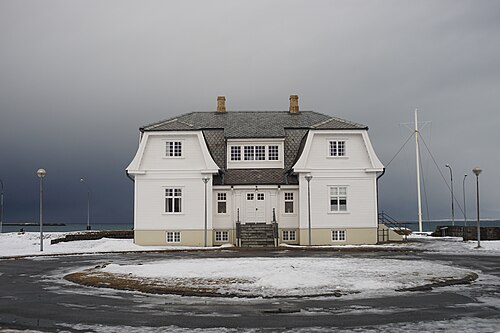
Reykjavík, the capital and largest city of Iceland, is known for its vibrant culture, rich history, and stunning natural landscapes. Established in 874 AD, it is one of the oldest cities in Iceland and serves as the political, economic, and cultural heart of the country. The city's name, which translates to "smoky bay," reflects its geothermal activity—a feature that has significantly influenced its development. Reykjavík is characterized by its colorful wooden houses, modern architectural landmarks, and a unique blend of old-world charm and contemporary design. The city is home to approximately 130,000 residents, accounting for about a third of Iceland's population, making it a bustling urban center despite its relatively small size.
Reykjavík boasts a variety of attractions and landmarks that illustrate its cultural significance. The Harpa Concert Hall, a striking glass structure on the waterfront, serves as a focal point for the performing arts and hosts concerts, festivals, and events throughout the year. The Hallgrímskirkja Church, with its distinctive tower that resembles basalt columns, stands as a prominent symbol of the city and offers panoramic views from its observation deck. Reykjavík is also known for its vibrant nightlife, café culture, and thriving arts scene, with numerous galleries, museums, and festivals celebrating everything from literature to music. The city is a gateway to Iceland’s spectacular natural attractions, including the nearby Blue Lagoon, geysers, and waterfalls, which draw tourists eager to experience the country’s unique geological features. With a blend of historical richness and modern innovation, Reykjavík continues to captivate residents and visitors alike, making it a unique gem in the North Atlantic.
Facts about Reykjavík
- Reykjavík is the northernmost capital of a sovereign state in the world.
- The city is built on a volcanic landscape and is known for its incredible geothermal activity, including hot springs and geysers.
- Reykjavík was founded in 1786 and is the oldest city in Iceland, serving as the country's cultural and economic hub.
- The Sun Voyager, a famous sculpture located along the waterfront, symbolizes a dream of hope, progress, and freedom.
- Reykjavík is home to the Harpa Concert Hall, a stunning architectural landmark that was completed in 2011 and serves as a venue for music and cultural events.
- The city has a vibrant arts scene and is known for its annual Reykjavík Arts Festival, showcasing local and international artists.
- Reykjavík is known for its colorful buildings, many of which are painted in bright hues, creating a unique and picturesque cityscape.
- It is a leader in sustainability and aims to be carbon neutral by 2040, integrating renewable energy into its infrastructure.
- The Old Harbor area of Reykjavík has been revitalized into a lively cultural and commercial district, with restaurants, shops, and art galleries.
- The city hosts the annual Reykjavík Pride Festival, one of the largest Pride events in Northern Europe, celebrating LGBTQ+ rights and visibility.