Rheda-Wiedenbrück, Germany
- 46,123 people
- 10 places to visit
- 51.8546, 8.2878
Places to Visit (10)
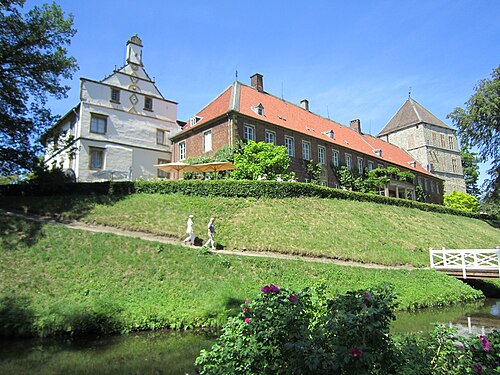
Rheda-Wiedenbrück is a charming town located in the Gütersloh district in North Rhine-Westphalia, Germany. Formed in 1970 through the merger of the two towns Rheda and Wiedenbrück, it boasts a population of approximately 30,000 residents, contributing to its vibrancy and community spirit. The town is situated along the banks of the river Ems and is particularly known for its picturesque landscapes, rich history, and well-preserved architecture. Rheda-Wiedenbrück serves as a regional hub, both culturally and economically, with a diverse array of local businesses and industry, primarily focused on manufacturing and services.
The historical roots of Rheda-Wiedenbrück can be traced back to the Middle Ages, with evidence of settlements dating back to the 7th century. One of its most notable landmarks is the Rheda Castle, a striking example of Renaissance architecture established in the 16th century, which reflects the town's noble heritage and historical significance. Additionally, Wiedenbrück is known for its flourishing timber industry in the past, leading to advancements in craftsmanship and trade. The town is also home to numerous churches and historic buildings, which contribute to its quaint atmosphere and draw visitors interested in cultural and architectural history. Regular community events, local markets, and festivals enhance the town's social fabric, attracting residents and tourists alike.
Rheda-Wiedenbrück is well-connected via public transportation, including rail and bus services, making it easy to travel to larger cities such as Bielefeld and Paderborn. The town promotes a blend of urban and outdoor lifestyles, with parks, bike paths, and recreational opportunities along the river. Its strategic position in North Rhine-Westphalia, along with a strong community-oriented approach, positions Rheda-Wiedenbrück as an appealing place to live and visit. The town showcases a harmonious blend of history, modernity, and natural beauty, making it a significant gem in the region.
Facts about Rheda-Wiedenbrück
- Rheda-Wiedenbrück is known for its historical timber-framed houses, showcasing traditional German architecture that dates back to the Middle Ages.
- The city is home to the stunning Rheda Castle, a moated castle originally built in the 13th century, which is significant in the region's history.
- Rheda-Wiedenbrück is culturally vibrant, hosting the annual 'Rheda-Wiedenbrück Christmas Market,' which attracts visitors from across the region.
- The city is located on the scenic Ems River, providing beautiful natural landscapes and opportunities for outdoor activities such as cycling and hiking.
- Rheda-Wiedenbrück is known for its strong agricultural background, particularly in the production of flowers and ornamental plants, which contributes to the local economy.
- The local sports club, FC Rheda, has a rich history and contributes to the community’s sporting culture, particularly in football.
- Rheda-Wiedenbrück boasts a unique blend of both historical and modern amenities, allowing residents to enjoy a balanced lifestyle in a picturesque setting.
- The town has a historical connection to the wool trade, which was significant during the Middle Ages, influencing its economic development.
- Rheda-Wiedenbrück was formed in 1970 through the merger of the two towns Rheda and Wiedenbrück, reflecting a unique administrative evolution in Germany.
- The city actively promotes environmental sustainability and is engaged in various projects aimed at enhancing biodiversity and green spaces.