Rheinberg, Germany
- 32,188 people
- 6 places to visit
- 51.5468, 6.5949
Places to Visit (6)
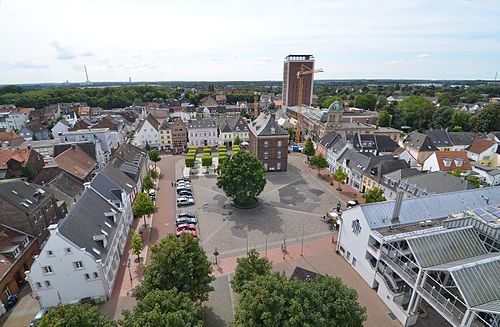
Rheinberg is a picturesque town located in North Rhine-Westphalia, Germany, specifically situated in the district of Wesel. The town lies on the banks of the Rhine River, approximately 20 kilometers northwest of Duisburg and around 30 kilometers northwest of Düsseldorf, making it easily accessible by road and rail. With a population of around 14,000 residents, Rheinberg is characterized by its quaint charm, rich history, and beautiful landscapes. The town features a blend of historical architecture and modern amenities, creating a welcoming environment for both locals and visitors.
The history of Rheinberg dates back to the Roman era, when it was known as "Burgin." The town was granted city rights in 1397 and became an important trade center due to its strategic position along the Rhine River. One of the notable historical structures is the St. Peter's Church, a remarkable example of Gothic architecture that dates back to the 13th century. Additionally, remnants of the town’s medieval fortifications can still be seen today. Rheinberg is also famous for its cultural events and festivals, which often celebrate local traditions and community spirit, further contributing to its appeal as a destination. The annual Rheinberg Christmas market attracts visitors from the surrounding regions, showcasing local crafts and seasonal delicacies.
Surrounding Rheinberg are scenic landscapes that include parks, woodlands, and farmlands, making it a pleasant locale for outdoor activities such as cycling and hiking. The town is well equipped with facilities, including schools, shops, and recreational areas, catering to the needs of its inhabitants. The local economy is supported by various small and medium-sized enterprises, particularly in sectors like manufacturing and services. Rheinberg exemplifies a harmonious blend of historical significance and contemporary living, providing a unique lifestyle that attracts families and individuals seeking both tranquility and connection to history. Its strategic location near major cities further enhances its potential as a residential area in the vibrant region of North Rhine-Westphalia.
Facts about Rheinberg
- Rheinberg is home to the historic St. Peter's Church, which features a remarkable 18th-century baroque altar and is one of the city's main landmarks.
- The town is known for its unique medieval town center, characterized by its well-preserved buildings and intricate half-timbered houses, reflecting various architectural styles.
- Rheinberg hosts the annual 'Rheinberger Carnival', a vibrant celebration that showcases traditional costumes, parades, and community spirit, distinguishing it from other regional festivals.
- The city played a significant role during World War II, being strategically located near the Rhine River, which contributes to its historical significance in wartime logistics.
- Rheinberg is part of the Lower Rhine region, which is famous for its scenic river landscapes and green fields, offering a different geographical experience compared to urban areas of Germany.
- The 'Museum van de Stadt Rheinberg' offers insights into the local history, including its Roman roots and medieval heritage, which are not found in many other towns.
- Rheinberg features a preserved section of the historic city wall, providing a glimpse into the town's defensive architecture from medieval times, setting it apart from other German cities.
- The town is home to several notable gardens, such as the 'Schlosspark' and 'Rheinstraße Park', which showcase the area's commitment to green spaces and community leisure.
- Rheinberg has a tradition of local crafts, particularly in pottery and textiles, which still thrive today, contributing to its unique cultural heritage.
- The city is connected to the 'Rheinische Bahn', an important railway line, which makes it an accessible hub while preserving its small-town charm unlike more prominent cities in Germany.