Rhondda, United Kingdom
- 59,450 people
- 13 places to visit
- 51.649, -3.4289
Places to Visit (13)
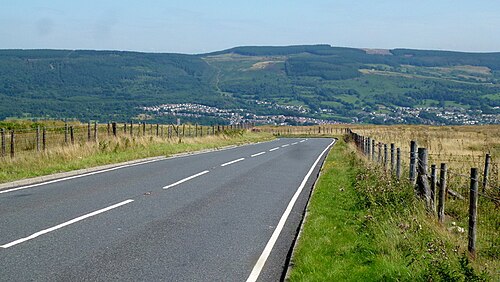
Rhondda, a district located within the county borough of Rhondda Cynon Taf in Wales, United Kingdom, is known for its majestic valleys and rich coal mining heritage. The region is comprised of two main valleys: the Rhondda Fawr and the Rhondda Cynon, which have been pivotal to the locale's economic history. The area experienced significant industrial development in the 19th century, primarily due to coal mining, which transformed the local economy and social landscape. Numerous collieries were established, attracting workers and their families, which led to the growth of villages and towns such as Treorchy, Porth, and Tonypandy. The Rhondda's prosperity during the industrial revolution spurred advancements in infrastructure, including the construction of railways, which connected the valleys to major markets and facilitated the distribution of coal.
In recent decades, the Rhondda valleys have undergone significant social and economic changes following the decline of coal mining in the latter part of the 20th century. Today, the area has shifted towards tourism, education, and service industries as key economic drivers. The natural beauty of the valleys, characterized by rolling hills and scenic landscapes, attracts visitors, making outdoor activities like hiking and cycling popular. The Rhondda also celebrates its cultural heritage with a strong focus on music and the arts, sustaining traditional Welsh customs and language. Community events, including local festivals and the famed Rhondda Heritage Park, aim to preserve the history of coal mining while promoting the region as a vibrant, contemporary destination. As a testament to its resilience, Rhondda continues to evolve, balancing its rich historical legacy with modern aspirations for growth and community cohesion.
Facts about Rhondda
- Rhondda, located in South Wales, is known for its rich coal mining history and was once one of the most significant coal-producing regions in the UK during the 19th and early 20th centuries.
- The region is home to the Rhondda Valleys, which are characterized by steep hills and picturesque landscapes, making it a popular area for hiking and outdoor activities.
- Rhondda has a strong cultural identity, with the annual Eisteddfod festival celebrating Welsh literature, music, and performance, showcasing the area's dedication to the arts.
- The city hosts the Rhondda Heritage Park, a major tourist attraction that offers a glimpse into the coal mining history through exhibitions and an underground tour of a restored colliery.
- Rhondda is known for producing notable Welsh personalities, including actress Ruth Jones, who co-created and starred in the award-winning TV series 'Gavin & Stacey.'
- The area houses several historic chapels, reflecting its rich religious heritage, including the iconic Moriah Chapel in Trealaw, which is renowned for its architectural significance.
- Rhondda is part of the larger county borough of Rhondda Cynon Taff, which has a focus on community-driven initiatives aimed at preserving its mining heritage and promoting local businesses.
- The Rhondda valleys are dotted with numerous standing stones and ancient burial sites, indicating a long history of human occupation in the area dating back to prehistoric times.
- In terms of sports, Rhondda has produced a number of prominent rugby players, contributing to the strong rugby culture in Wales, which is a significant part of the local identity.
- Rhondda is known for its unique dialect, which reflects the region's history, blending influences from the industrial revolution with the Welsh language and local culture.