Ribeirão das Neves, Brazil
- 406,802 people
- 4 places to visit
- -19.7664, -44.0872
Places to Visit (4)
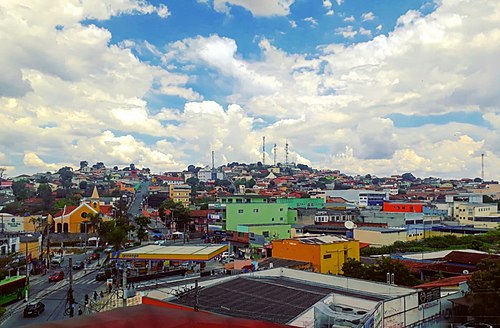
Ribeirão das Neves is a municipality located in the state of Minas Gerais, Brazil. Positioned in the metropolitan area of Belo Horizonte, it lies approximately 30 kilometers from the state capital. The city has a rich history, with its origins dating back to the 17th century when it was inhabited by indigenous groups and later settled by Portuguese colonists. Officially established as a municipality in 1938, Ribeirão das Neves has grown significantly over the decades, evolving from a predominantly rural area to an urbanized city with a diverse population.
The municipality is known for its vibrant culture and economic activities. Ribeirão das Neves has experienced rapid industrial growth, attracting various industries, including textiles, food processing, and automotive sectors. This economic development has led to an influx of residents seeking job opportunities, making the city one of the most densely populated regions in Minas Gerais. Additionally, Ribeirão das Neves boasts several educational institutions and infrastructure improvements that contribute to the overall quality of life for its citizens.
Despite its growth, the city faces challenges typical of rapidly urbanized areas, including issues related to public services, transportation, and social inequalities. The local government has been working to address these issues through various initiatives aimed at improving infrastructure, public safety, and community development. Ribeirão das Neves also offers several cultural and recreational opportunities, including parks, festivals, and historical sites, which reflect its rich cultural heritage and the diverse backgrounds of its inhabitants. As the city continues to evolve, efforts to balance growth with sustainability and social equity remain a priority for local authorities and its community.
Facts about Ribeirão das Neves
- Ribeirão das Neves is known for its diverse cultural heritage, which is influenced by the migration of various communities, including significant populations of Italians, Japanese, and Eastern Europeans.
- The city was officially founded in 1938, but its history dates back to the 17th century with the establishment of farming settlements by Portuguese settlers.
- Ribeirão das Neves hosts the largest Catholic pilgrimage in the state of Minas Gerais, the 'Romaria de Nossa Senhora das Neves', attracting thousands of devotees each year.
- The city is part of the Metropolitan Region of Belo Horizonte, making it an important suburban area for one of Brazil's largest cities.
- Ribeirão das Neves is home to Parque Municipal do Rola Moça, a significant environmental conservation area that provides recreational spaces and is crucial for local biodiversity.
- It is known for its vibrant music scene, particularly for genres like samba and pagode, which reflects the rich cultural milieu of the city.
- The city has a strong community of artisans, particularly known for crafting traditional handicrafts and furniture that are distinctive to the local culture.
- Ribeirão das Neves is an educational hub with several universities and technical schools that serve not only the city but also the surrounding regions.
- The city is recognized for its agricultural production, particularly in the fields of coffee and vegetables, contributing significantly to the local economy.
- As a growing urban area, Ribeirão das Neves has faced challenges typical of metropolitan regions, including urbanization pressures, leading to innovative community development projects.