Ribeirão Preto, Brazil
- 711,825 people
- 15 places to visit
- -21.1694, -47.8111
Places to Visit (15)
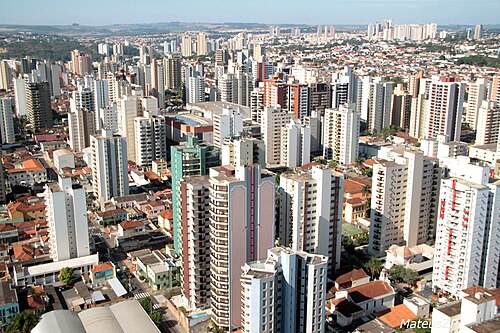
Ribeirão Preto is a prominent city in the state of São Paulo, Brazil, located approximately 313 kilometers northwest of the capital city, São Paulo. With a population of around 700,000 people, it is one of the largest municipalities in the region, known for its dynamic economy, cultural life, and educational institutions. The city was founded in 1856 and quickly gained prominence as an important center for coffee production, which positioned it as a vital player in Brazil's agricultural sector during the coffee boom of the late 19th century. The fertile lands surrounding Ribeirão Preto contributed significantly to the city’s growth, and it is often referred to as the "Brazilian coffee capital."
Today, Ribeirão Preto's economy is not solely reliant on agriculture; it has diversified into sectors such as services, commerce, and industry. The city boasts a range of facilities, including shopping malls, theaters, and hospitals, making it a hub for regional commerce and healthcare. Ribeirão Preto is also known for its bustling nightlife, diverse culinary offerings, and vibrant cultural scene, featuring theaters, museums, and art galleries. Additionally, the city is home to several institutions of higher education, including the University of Ribeirão Preto (UNIARP) and the University of São Paulo's Ribeirão Preto campus (USP), which attracts students from various parts of Brazil and beyond.
The city's infrastructure supports its role as a regional leader, featuring a well-developed transportation network that includes roads, railways, and an airport. Ribeirão Preto is also recognized for its commitment to sustainability and urban planning, exemplified by green spaces and recreational areas such as parks and gardens. Throughout the year, Ribeirão Preto hosts various events and festivals that celebrate its cultural heritage and local traditions, drawing visitors from across the country. As the city continues to grow and evolve, it remains an influential center in Brazil’s economic landscape, embodying the rich agricultural history that shaped its early development while embracing modernization and innovation.
Facts about Ribeirão Preto
- Ribeirão Preto is known as the 'Coffee Capital of Brazil' due to its historical significance in the coffee production industry since the late 19th century.
- The city boasts the largest beer brewery in Latin America, the Brahma Brewery, which has played a crucial role in the city's economy and culture.
- Ribeirão Preto is home to the unique and modern Estádio do Palmeiras, known for its innovative design and capacity, reflecting Brazil's football passion.
- The city hosts the 4th largest medical center in Brazil, making it an important hub for healthcare and medical research in the country.
- Ribeirão Preto has earned recognition as a city of culture, with significant venues like Theatro Pedro II, which is one of the oldest and most important theaters in São Paulo state.
- The city's annual Festa Nacional do Peão de Barretos, held nearby, is the largest country music and rodeo festival in Brazil, attracting thousands of visitors and showcasing local traditions.
- Ribeirão Preto has a well-developed infrastructure, including a high-speed rail system that connects it to São Paulo, promoting rapid commerce and transport.
- The city is notable for its rich architectural diversity, featuring a mix of colonial, modernist, and contemporary styles, exemplified in buildings like the Catedral Metropolitana de Ribeirão Preto.
- Ribeirão Preto is a significant educational center, housing several important universities, including the Universidade de Ribeirão Preto (Unaerp) and the Faculdade de Medicina de Ribeirão Preto.
- The city's vibrant nightlife and gastronomy scene make it a culinary hotspot, offering a blend of traditional and contemporary Brazilian cuisine, influenced by its coffee and agricultural heritage.