Rîbniţa, Moldova
- 55,455 people
- 1 places to visit
- 47.7666, 29.0035
Places to Visit (1)
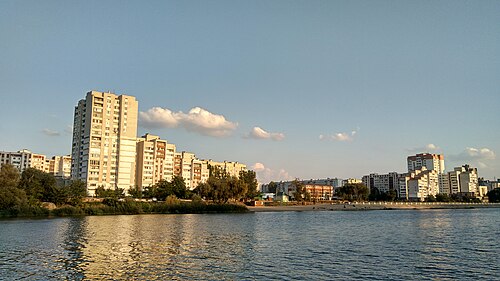
Rîbniţa is a significant city located in the eastern part of the Republic of Moldova, situated along the banks of the Dniester River. It serves as the administrative center of the Rîbniţa District and is one of the largest urban settlements in the region, with a population of approximately 40,000 residents. The city has a rich history, influenced by multiple cultures and political changes over the centuries. Originally part of the historical region of Bessarabia, Rîbniţa experienced considerable growth during the 19th century, particularly with the rise of industry and agriculture. Its strategic location near the border with Ukraine adds to its importance as a trade and transport hub.
Economically, Rîbniţa has developed a diverse industrial base, with key sectors including manufacturing, agriculture, and services. Notably, the city is home to one of Moldova's largest metallurgical plants, which plays a critical role in the local economy by providing jobs and contributing to the national GDP. The city's economic landscape is complemented by small and medium enterprises that cater to the needs of its residents and surrounding communities. The cultural life in Rîbniţa reflects a tapestry of influences, featuring various schools, theaters, and museums that celebrate the city's heritage and artistic expression.
Despite its industrial backbone, Rîbniţa faces challenges typical of post-Soviet cities, such as economic transition, infrastructure development, and environmental issues. However, it remains a vital community within Moldova, characterized by a blended identity that draws on its historical roots while navigating contemporary economic and social dynamics. The city’s residents benefit from local amenities, including educational institutions and healthcare facilities, contributing to a relatively stable standard of living. Rîbniţa embodies a unique mix of industry and culture, making it a noteworthy city in Moldova's landscape.
Facts about Rîbniţa
- Rîbniţa is one of the largest cities in the internationally unrecognized breakaway state of Transnistria, which operates independently of Moldova.
- The city is home to the famous Rîbniţa Steel Works, which is a major industrial enterprise and a significant contributor to the region's economy.
- Rîbniţa has historical significance as a former site for a number of military and strategic operations during the Transnistria conflict in the early 1990s.
- The city boasts a unique combination of Eastern European and Soviet architectural styles, visible in its housing and public buildings.
- Rîbniţa hosts an annual International Festival of Music, attracting talent and audiences from different countries, highlighting its cultural contributions.
- The city features several large parks, such as the Central Park of Rîbniţa, offering green spaces that are less common in other Moldovan cities.
- Rîbniţa is located on the Dniester River, providing opportunities for various water-related activities and scenic views, unlike many inland towns.
- The city has a significant Romanian-speaking population, alongside Russian and Ukrainian speakers, reflecting the diverse cultural fabric of the area.
- Rîbniţa's education system includes specialized institutions such as vocational schools focusing on metallurgy and engineering, supporting its industrial base.
- The city is known for its vibrant local markets, where traditional Moldovan goods, including textiles and handmade crafts, are sold, showcasing local artisanship.