Richmond CA, United States
- 109,708 people
- 19 places to visit
- 37.9358, -122.3477
Places to Visit (19)
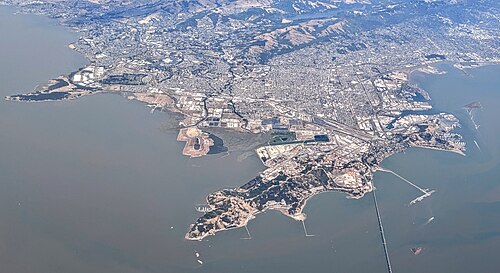
Richmond, California, is a city located in the North Bay region of the San Francisco Bay Area. It is positioned on the eastern shore of San Francisco Bay, approximately 16 miles north of San Francisco and 10 miles south of Vallejo. The city spans an area of about 30 square miles and is bordered by San Pablo Bay to the north and the cities of El Cerrito, Albany, and Berkeley to the south. Richmond boasts a diverse population, with approximately 200,000 residents, and serves as a melting pot of cultures, languages, and traditions. The city was incorporated in 1905 and has a rich history, particularly in shipbuilding during World War II, when it became a crucial site for the construction of ships for the U.S. Navy.
Richmond's economy has traditionally relied on manufacturing and shipping, with the Port of Richmond being one of the significant contributors. The port has extensive maritime facilities and serves as a key transportation hub for goods entering and exiting the Bay Area. In recent years, Richmond has also seen growth in other sectors, such as healthcare, technology, and renewable energy, reflecting broader economic trends across California. The city is home to several notable landmarks, including the Rosie the Riveter/World War II Home Front National Historical Park, which commemorates the efforts of women workers during the war, and the Richmond Museum of History, showcasing the city’s heritage. Natural beauty is abundant in Richmond, with numerous parks, trails, and scenic views of the bay, including points of access to the Richmond-San Rafael Bridge and the nearby East Bay Regional Park District, which offers outdoor recreational opportunities.
Richmond has faced challenges, particularly related to economic inequality and environmental issues, but city leaders and local organizations have worked diligently to address these concerns. Community initiatives focus on improving public health, enhancing local education systems, and promoting sustainable development practices. The city is also characterized by its commitment to social justice, with active community engagement and advocacy efforts aimed at fostering inclusivity and economic opportunity for all residents. Richmond continues to evolve as a vibrant urban landscape, balancing its historical roots with progressive growth and development. As it moves forward, Richmond remains a city of both historic significance and contemporary relevance in the broader context of the Bay Area.
Facts about Richmond
- Richmond was the site of the Kaiser Shipyards during World War II, where thousands of ships were constructed, making it a key player in the war effort.
- The Rosie the Riveter WWII Home Front National Historical Park is located in Richmond and honors the women who worked in factories and shipyards during the war.
- Richmond has one of the largest municipal public housing projects in the country, known as the Richmond Housing Authority, reflecting its historical focus on affordable housing.
- The city is home to the Richmond Art Center, one of the oldest and largest community art centers in the East Bay, offering exhibitions, classes, and events.
- Richmond has a significant Latino population, contributing to its vibrant culture, festivals, and culinary scene, particularly in areas like the Iron Triangle.
- The city features the Rosie the Riveter Memorial at Marina Bay, which commemorates the contributions of women during WWII, a unique landmark in California.
- Richmond is adjacent to the San Francisco Bay and offers a scenic waterfront park system, including the Richmond Marina Park, known for its stunning views and recreational opportunities.
- The city has a historically significant role in the development of the oil industry on the West Coast, being the home of the Chevron refinery.
- Richmond experienced a significant social activist movement during the 1960s and 1970s, leading to impactful changes in civil rights and labor relations.
- In 2017, Richmond became one of the first cities in the U.S. to adopt a universal basic income pilot program, distinguishing it as a pioneer in social and economic experimentation.