Ridderkerk, Netherlands
- 45,189 people
- 17 places to visit
- 51.8702, 4.6022
Places to Visit (17)
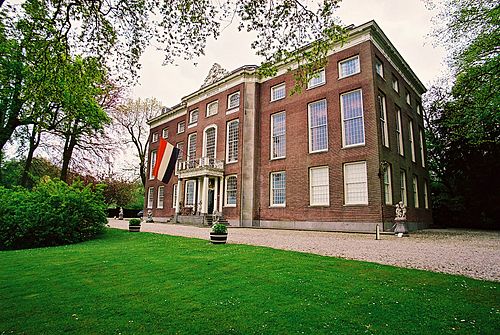
Ridderkerk is a municipality and town located in the province of South Holland in the Netherlands. Situated approximately 15 kilometers northeast of Rotterdam, Ridderkerk is part of the Rijnmond region, which encompasses the area surrounding the Rhine River estuary. The municipality is characterized by its picturesque landscapes, combining urban development with agricultural areas, and is intersected by various waterways. The town has a population of around 45,000 residents, making it a modestly sized community that has developed significantly over the past century due to its proximity to major urban centers.
The history of Ridderkerk dates back to the medieval period, with its first documented mention in 1390. The town’s name is derived from the medieval term "ridder," meaning knight, and "kerk," meaning church, indicating its historical significance as a center of Christian worship. The design of the town reflects its development; it has a well-planned infrastructure that includes residential areas, schools, and recreational facilities. Notable landmarks include the Grote Kerk, a 15th-century church that serves as a historical focal point, and various monuments that highlight the town's rich heritage. Over the years, Ridderkerk has transformed from an agrarian society to a thriving suburban community, attracting residents for its quality of life and convenient access to larger cities for employment and services.
Today, Ridderkerk is known for its strong sense of community, diverse cultural offerings, and various annual events. The town hosts several festivals throughout the year, including the Ridderkerk Fair, which showcases local crafts, foods, and entertainment, fostering a sense of belonging among its inhabitants. Furthermore, Ridderkerk offers a range of sporting activities and facilities, appealing to various interests and age groups. The town's strategic location allows for easy transportation options, including rail and road connections to neighboring municipalities and major cities, enhancing its attractiveness as a residential area. Ridderkerk, with its combination of historical charm and modern amenities, continues to evolve while maintaining its distinctive identity within the rich tapestry of Dutch history and culture.
Facts about Ridderkerk
- Ridderkerk is known for its unique blend of urban and rural characteristics, combining modern development with historical traditions.
- The city's name, which translates to 'Knight's Church', reflects its historical connections to knighthood and medieval heritage, distinguished from other Dutch cities.
- Ridderkerk was officially granted city rights in 1984, which is relatively recent compared to many other towns in the Netherlands.
- The town features a large number of residential areas with parks and green spaces, making it a family-friendly location distinct from the more urbanized areas of the Netherlands.
- Ridderkerk is home to several annual events, such as the Ridderkerk Fair, which highlight local culture, crafts, and gastronomy, setting it apart from many neighboring towns.
- The city's historic church, the Grote Kerk, dates back to the 14th century and showcases unique Gothic architectural elements that are representative of the region's history.
- Ridderkerk has a significant number of recreational waterways and cycling paths that contribute to its reputation as a center for outdoor activities, unlike other heavily industrialized cities.
- The municipality actively promotes sustainability and green living, with initiatives aimed at reducing the carbon footprint, distinguishing it from more industrialized counterparts.
- Ridderkerk has a strong community-centric approach, often encouraging local participation in civic activities and governance, which is more pronounced compared to larger cities.
- The town is strategically located near major Dutch cities like Rotterdam and Utrecht, providing easy access while maintaining its small-town charm and community feel.