Riga, Latvia
- 742,572 people
- 18 places to visit
- 56.9677, 24.1056
Places to Visit (18)
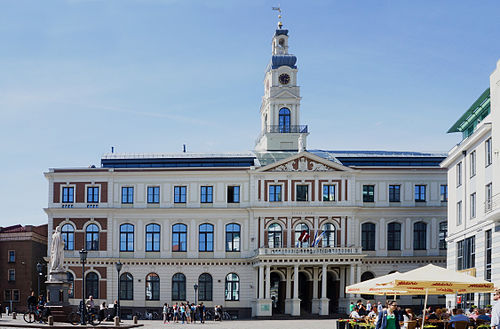
Riga, the capital city of Latvia, is located on the banks of the Daugava River in the northern part of the country. Founded in 1201, Riga has evolved into a vibrant cultural and economic center in the Baltic region. With a population of around 632,000, it is the largest city in the Baltic States and a key hub for trade and tourism. Riga's rich history is reflected in its architecture, with a blend of Gothic, Baroque, and Art Nouveau styles. The Old Town, a UNESCO World Heritage Site, showcases stunning medieval buildings, narrow cobblestone streets, and historic squares, attracting millions of visitors each year. Notable landmarks include the House of the Blackheads, St. Peter's Church, and the stunning Freedom Monument, which stands in honor of those who fought for Latvia's independence.
Culturally, Riga is a diverse and dynamic city, home to a rich tapestry of traditions, festivals, and artistic endeavors. The city's vibrant arts scene includes numerous theaters, museums, and galleries, highlighting both local and international talent. The Latvian National Museum of Art and the contemporary Contemporary Art Centre Zuzeum are key destinations for art enthusiasts. Riga also hosts the annual Riga City Festival and the Latvian Song and Dance Festival, celebrating deep-rooted traditions and the country's cultural heritage. The city's multifaceted culinary scene ranges from traditional Latvian dishes to international cuisine, making it a culinary hotspot. Additionally, Riga is recognized for its growing tech industry and startup ecosystem, attracting entrepreneurs and businesses alike. Its strategic location, combined with a rich heritage and forward-looking initiatives, positions Riga as an important player in the European landscape.
Facts about Riga
- Riga is the capital and largest city of Latvia, known for its Art Nouveau architecture, which is among the finest in Europe.
- The Old Town of Riga, a UNESCO World Heritage site, features medieval buildings and cobblestone streets, making it a popular tourist destination.
- Riga's Central Market is one of the largest and most vibrant markets in Europe, housed in former Zeppelin hangars.
- The city is home to the Freedom Monument, a symbol of independence and freedom, which has stood since 1935 and is a focal point for national celebrations.
- Riga is known for its unique blend of Gothic, Baroque, and Art Nouveau architectural styles, setting it apart from other Latvian towns.
- The city hosts the annual Riga City Festival, featuring cultural events, concerts, and activities that celebrate the heritage and achievements of the city.
- Riga has a rich musical history and is recognized as a UNESCO City of Music, hosting numerous international music festivals and events.
- The House of Blackheads, a landmark building in Old Town originally built in the 14th century for a guild of merchants, represents Riga's trading history.
- Riga is famous for its vibrant nightlife and café culture, with many establishments offering local cuisine and live music.
- The city was a major trading hub in the Hanseatic League, contributing significantly to its economic and cultural development during the Middle Ages.