Rio Branco, Brazil
- 419,452 people
- 11 places to visit
- -9.974, -67.8098
Places to Visit (11)
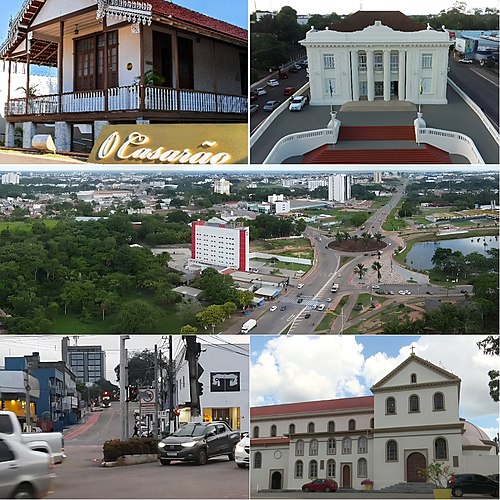
Rio Branco is the capital city of the Brazilian state of Acre, located in the western part of the country, near the border with Peru. Founded in 1882, the city has experienced various phases of development driven by the rubber boom, agriculture, and more recently, environmental conservation efforts due to its lush Amazon rainforest surroundings. With a population of approximately 400,000 residents, Rio Branco serves as a commercial and administrative hub for the region, featuring a rich cultural blend influenced by Indigenous peoples, Afro-Brazilian communities, and migrants from different parts of Brazil.
The city's geography is characterized by its tropical climate, featuring a wet season and a dry season, which contributes to the region's biodiversity. Rio Branco is traversed by several rivers, including the Acre River, which plays a vital role in the local economy and transportation. The city boasts several parks and green areas, which promote ecological awareness and local tourism. Notable landmarks include the Rubiácea Palace, the cultural center Centro Cultural Lydia Hammes, and the State University of Acre (UEAC), which enrich the cultural and educational landscape of the city. Additionally, Rio Branco hosts various festivals and events that celebrate its diverse heritage, contributing to its vibrant atmosphere and community spirit.
Economic activities in Rio Branco are diverse; agriculture remains a crucial segment, with crops such as rice, corn, and cassava being cultivated in the surrounding areas. The city is also an emerging center for eco-tourism, drawing visitors interested in exploring the Amazon rainforest and its unique ecosystems. As a focal point for environmental initiatives, Rio Branco actively engages in sustainable development practices, aiming to balance growth and conservation. The city is increasingly recognized for its efforts to promote social inclusion and cultural enrichment, making it a vital part of Brazil's ecological and sociocultural tapestry.
Facts about Rio Branco
- Rio Branco is the capital city of the state of Acre, located in the western part of Brazil, which is known for its rich biodiversity and the Amazon Rainforest.
- The city was officially founded on August 28, 1882, and is named after the influential politician and diplomat José Plácido de Castro, who played a significant role in Acre's annexation to Brazil.
- Rio Branco is known for its unique climate, being one of the few places in Brazil that experience a tropical monsoon climate, with distinct wet and dry seasons.
- The city is home to the Parque Zoobotânico de Rio Branco, a notable botanical and zoological park that focuses on preserving the region’s native species and provides education on ecological conservation.
- Rio Branco was a central location during the rubber boom in the late 19th and early 20th centuries, becoming a hub for rubber production and trade, which greatly influenced the city's development.
- The Memorial dos Autonomistas is a historical landmark in Rio Branco that commemorates the local movement for the independence of Acre from Bolivia, highlighting its unique historical significance.
- Rio Branco features a diverse cultural landscape, heavily influenced by indigenous traditions, which is celebrated annually during the Festival of Indigenous Cultures.
- The city has a vibrant culinary scene, with distinctive dishes such as 'tacacá' and 'pato no tucupi' that reflect the local Amazonian ingredients and indigenous influences.
- The Instituto de Formação e Educação de Acre (IFAC) plays a crucial role in education and vocational training in the region, promoting sustainable practices and technology among students.
- Despite its size, Rio Branco has been recognized for its urban planning initiatives, such as in the development of green spaces, making it one of the leading cities in Brazil for urban sustainability.