Rio de Janeiro, Brazil
- 6,747,815 people
- 16 places to visit
- -22.9069, -43.1729
Places to Visit (16)
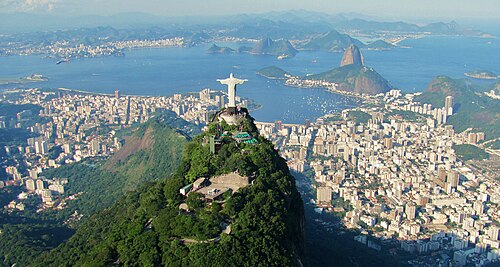
Rio de Janeiro, often referred to simply as Rio, is a vibrant city located on the southeastern coast of Brazil. It is the capital of the state of Rio de Janeiro and is known for its stunning natural landscapes, rich culture, and historical significance. Founded in 1565 by Portuguese settlers, Rio de Janeiro became an important port and served as the capital of Brazil from 1763 until 1960. The city is surrounded by remarkable geography, including the iconic Sugarloaf Mountain and Corcovado Mountain, which is home to the monumental Christ the Redeemer statue, one of the New Seven Wonders of the World, standing at 30 meters tall atop a 700-meter peak.
Rio's cultural scene is renowned worldwide, with its contributions to music, dance, and carnival festivities. The city is the birthplace of samba and bossa nova, musical styles that have profoundly influenced Brazilian culture and global music. One of the most famous events is Carnival, held annually before Lent, which attracts millions of visitors who come to experience the elaborate parades, street parties, and vibrant performances. The city's neighborhoods, each with its own distinct character, such as Ipanema and Copacabana, feature beautiful beaches, bustling markets, and lively nightlife that reflect the energetic spirit of Rio.
Despite its charms, Rio faces challenges such as economic disparity and crime. Like many metropolitan areas, the city grapples with issues related to slums, known as favelas, which are often associated with poverty and violence. Nonetheless, efforts have been made to improve safety and quality of life, particularly in preparations for international events like the 2014 FIFA World Cup and the 2016 Summer Olympics. The city's economy primarily revolves around tourism, oil, and finance, making it an important hub for both domestic and international business. Overall, Rio de Janeiro stands out as a dazzling city where natural beauty, cultural richness, and socio-economic complexities intertwine, capturing the hearts of those who visit.
Facts about Rio de Janeiro
- Rio de Janeiro was the capital of Brazil from 1763 until 1960, when Brasília officially became the capital.
- The city is famous for its iconic landmarks such as the Christ the Redeemer statue, one of the New Seven Wonders of the World.
- Rio de Janeiro is known for its world-renowned Carnival festival, which features vibrant parades, samba music, and elaborate costumes, attracting millions of visitors each year.
- The city's beaches, especially Copacabana and Ipanema, are legendary and attract both locals and tourists for sunbathing and water sports.
- Rio is home to the largest urban forest in the world, the Tijuca National Park, which offers hiking and stunning views of the city.
- The Maracanã Stadium, located in Rio, is one of the largest football stadiums in the world and hosted the FIFA World Cup finals in 1950 and 2014.
- Rio de Janeiro has a unique topography characterized by dramatic mountains and hills, including the famous Sugarloaf Mountain.
- The city is a UNESCO World Heritage Site, recognized for its exceptional natural landscape and cultural significance.
- Rio hosted the Summer Olympics in 2016, making it the first South American city to host the Games.
- The city is known for its vibrant favelas (informal settlements), such as Rocinha, which offer a glimpse into the diverse socio-economic fabric of Brazil.