Rio Grande, Brazil
- 187,838 people
- 6 places to visit
- -32.0408, -52.1017
Places to Visit (6)
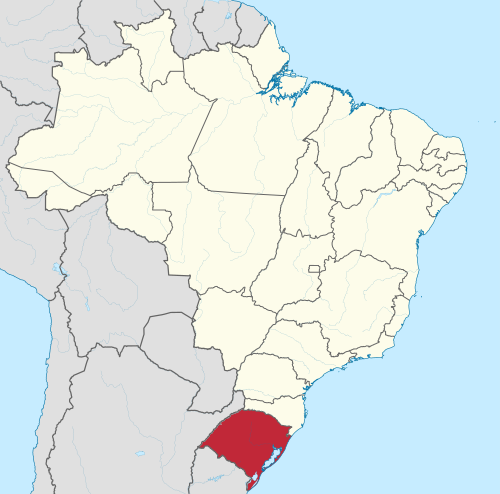
Rio Grande is a significant city located in the southern region of Brazil, specifically within the state of Rio Grande do Sul. Founded in 1737, it is one of the oldest cities in the state and serves as the capital of the municipality of the same name. Situated along the Atlantic coast and positioned at the mouth of the Patos Lagoon, Rio Grande has historically been an essential port city, facilitating trade and commerce in the region. Notably, it is home to Brazil’s second-largest seaport, which plays a crucial role in the export of agricultural products, particularly grains and meat, contributing to the local and national economy.
The city's population is diverse, with a rich cultural heritage influenced by Portuguese, Indigenous, and other immigrant communities that have settled in the area over the centuries. Educational institutions, such as the Federal University of Rio Grande (FURG), contribute to a vibrant academic and research atmosphere. Rio Grande's economy is primarily driven by its port activities, fishing, and shipbuilding industries, as well as agriculture. In addition to its economic significance, Rio Grande is known for its historical architecture and landmarks, such as the Catholic Cathedral of Saint Peter and the historic Fort of Santa Tecla, which reflect the city's colonial past.
Tourism in Rio Grande is enhanced by its picturesque coastal landscapes, inviting beaches, and annual cultural events, such as the Carnival festivities which attract visitors from across the country. The surrounding region offers opportunities for outdoor activities, like fishing, sailing, and exploring nature reserves. With its blend of history, culture, and economic importance, Rio Grande stands out as a vibrant city that contributes to the diverse tapestry of Brazil.
Facts about Rio Grande
- Rio Grande is known as the oldest city in the southern region of Brazil, founded in 1737.
- The city has a unique geographical feature: it is located at the mouth of the Lagoa dos Patos, which is the largest lagoon in Brazil.
- Rio Grande is recognized for its historical significance as a major port city, especially during the 19th century when it was crucial for the export of agricultural products.
- The city is home to the Brazilian Naval School, an important institution for naval education and training in Brazil.
- Rio Grande's architecture reflects its colonial past, with well-preserved historic buildings, especially along the waterfront.
- The city hosts the famous International Sand Festival (Festa Internacional de Areia), showcasing intricate sand sculptures that attract tourists and artists from around the world.
- As a coastal city, Rio Grande boasts beautiful beaches, including Praia do Cassino, which is one of the longest beaches in the world.
- Rio Grande is a center for marine research, housing institutions dedicated to the study of maritime ecosystems and conservation efforts.
- The city's rich cultural heritage is celebrated through various festivals, including the Carnival, which features unique local traditions and performances.
- Rio Grande has been an important hub for seafood production in Brazil, contributing significantly to both local and national economies.