Riobamba, Ecuador
- 264,048 people
- 11 places to visit
- -1.665, -78.6589
Places to Visit (11)
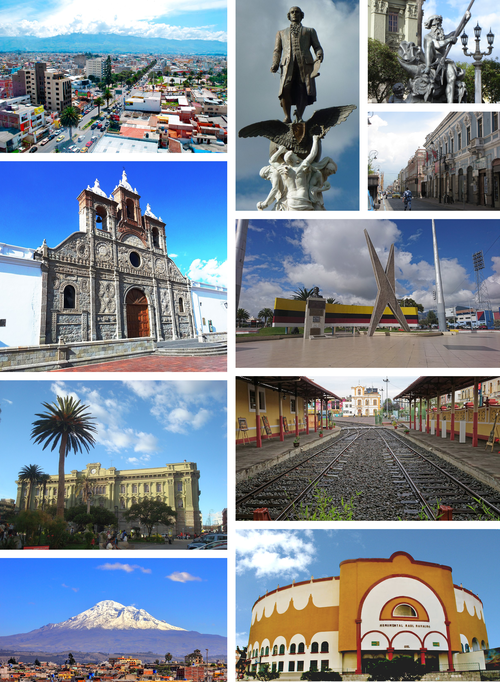
Riobamba is a city in the central highlands of Ecuador, serving as the capital of the Chimborazo Province. Located at an elevation of approximately 2,700 meters (8,858 feet) above sea level, it is nestled between the Andes mountains and offers picturesque views of the surrounding landscapes, including the imposing Chimborazo volcano, the highest peak in Ecuador. Founded in 1534 by Spanish conquistador Sebastián de Belalcázar, Riobamba has a rich history marked by indigenous cultures and colonial influences. The city has played a significant role in Ecuador's political and military history, witnessing numerous conflicts and changes in governance.
Riobamba is a vital economic and transportation hub in Ecuador, strategically positioned on the Pan-American Highway. The city's economy is primarily based on agriculture, with crops such as potatoes, corn, and dairy products being essential to local livelihoods. Additionally, the city is known for its vibrant market culture, with the Saturday market serving as a focal point for trade and community gatherings. Riobamba is also a gateway for outdoor tourism, with opportunities for trekking, mountaineering, and exploring the stunning natural parks in the region, including Sangay National Park. The city's cultural scene is enriched by numerous festivals, traditional music, and dance, particularly during the festivities of San Pedro and San Pablo in June.
In terms of infrastructure, Riobamba offers a blend of modern amenities and historical architecture, with attractions such as the Cathedral of Riobamba and the Torre de la Ciudad. The city's educational institutions contribute to a lively student population, fostering a youthful atmosphere. The climate in Riobamba is temperate, characterized by mild temperatures year-round, making it an appealing destination for both locals and tourists. Overall, Riobamba stands out for its unique combination of cultural heritage, natural beauty, and economic significance within Ecuador.
Facts about Riobamba
- Riobamba is known as the 'Sultana of the Andes' due to its significant location near the Chimborazo volcano, the highest peak in Ecuador.
- The city's foundation dates back to 1534, making it one of the oldest cities in Ecuador with a rich colonial history.
- Riobamba is famous for its vibrant indigenous culture, which is celebrated annually during the 'Fiesta de la Mama Negra', a colorful festival that honors local traditions and history.
- The city serves as a key transportation hub in the Central Andes, known for its historic railway that connects to other regions, particularly the famous Tren de los Andes.
- Riobamba was the scene of one of the earliest battles for independence in Ecuador, the Battle of Riobamba, fought in 1821.
- The city's historic center features beautiful colonial architecture, including the Catedral de Riobamba, which showcases intricate artistry and historic significance.
- Riobamba is surrounded by diverse natural landscapes, making it a popular spot for outdoor activities such as hiking, especially to the Chimborazo and Carihuairazo mountains.
- The city has a significant presence of indigenous communities, and it promotes indigenous rights and culture through various local programs and initiatives.
- Riobamba hosts the 'Paseo del Chagra', an annual event celebrating the equestrian culture and traditions of the Andean valleys.
- Unlike many Ecuadorian cities, Riobamba has a central location that provides access to both the Amazon rainforest and the Pacific coast within a few hours' travel.