Rittō, Japan
- 70,312 people
- 13 places to visit
- 35.0214, 135.998
Places to Visit (13)
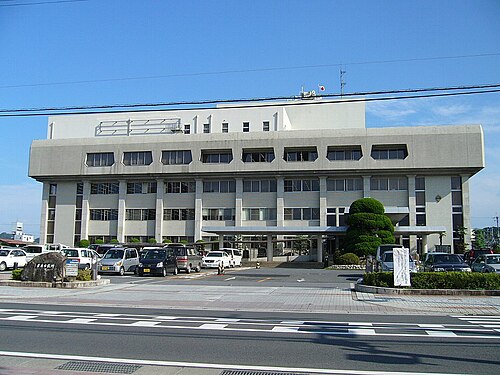
Rittō is a city located in the Shiga Prefecture of Japan, situated in the western part of Honshu Island. As of 2021, Rittō had a population of approximately 78,000 residents, and it covers an area of 34.04 square kilometers. The city was established on April 1, 2001, through the merger of several towns and villages, including the former towns of Rittō and Mizuho, as well as parts of the towns of Takashima and Ōmi. The area's history dates back centuries, with settlements that have evolved over time, contributing to the city's rich cultural heritage.
Rittō is recognized for its blend of urban and rural lifestyles, with modern amenities coexisting alongside traditional Japanese landscapes. The city is strategically located along the eastern shore of Lake Biwa, Japan's largest freshwater lake, which plays a significant role in the local ecosystem and tourism. Residents and visitors can enjoy an array of outdoor activities such as fishing, boating, and sightseeing along the lake. Rittō is also known for its beautiful parks, including the expansive Rittō Nature Park, which features walking trails and picnic areas. The city embraces annual festivals and events that highlight its cultural traditions, attracting locals and tourists alike.
In terms of education and infrastructure, Rittō offers a range of schools, including both public and private institutions, catering to the needs of its residents. The city is well-connected by rail, making it easy for commuters to reach larger urban centers like Kyoto and Ōsaka. Additionally, Rittō is working toward sustainable development, with initiatives aimed at promoting green spaces and environmentally friendly practices. Overall, the city stands out as a harmonious blend of nature, culture, and modern living, making it a unique place in Japan's diverse landscape.
Facts about Rittō
- Rittō is known for the annual Rittō Matsuri, a traditional festival that features colorful parades and local cultural performances, showcasing the region's rich heritage.
- The city was officially designated as a city in 1997, making it one of the relatively newer cities in Shiga Prefecture.
- Rittō is famous for its proximity to the historic Hōkoku Shrine, which is dedicated to the deity of agriculture, illustrating the area's agricultural roots.
- The city has a unique connection with Lake Biwa, Japan's largest freshwater lake, and offers scenic views and recreational activities along its shores.
- Rittō is notable for its green spaces, including Rittō Park, which features beautiful cherry blossoms in spring, attracting visitors from all over Japan.
- The city is also recognized for its thriving pottery and ceramics industry, often celebrated during local craft fairs and exhibitions.
- Rittō is involved in various eco-friendly initiatives and is known for its sustainable practices in urban development, setting a model for other cities.
- Culturally, Rittō is home to several art galleries and cultural centers, promoting local artists and offering workshops that enhance community engagement.
- The city's education system is notable, with a strong emphasis on arts and crafts through its local schools and community programs.
- Rittō's strategic location makes it a transport hub in Shiga Prefecture, connecting smaller towns to larger cities, enhancing its economic viability.