Rodez, France
- 28,337 people
- 9 places to visit
- 44.3494, 2.576
Places to Visit (9)
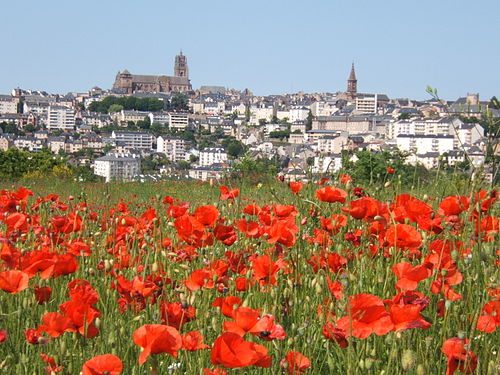
Rodez is a picturesque city located in the south-central part of France, serving as the capital of the Aveyron department in the Occitanie region. It sits on a hill overlooking the confluence of the Aveyron and Rodez Rivers, with a population of approximately 24,000 residents as of the latest census. Rodez has a rich history that dates back to Roman times when it was known as Segodunum. The city retains much of its medieval charm, characterized by narrow winding streets lined with historic buildings and several notable monuments, including the grand Cathedral of Notre-Dame de Rodez, which showcases a remarkable blend of Gothic and Romanesque architectural styles.
The city's historical significance is evident in its cultural institutions and museums, such as the Soulages Museum, dedicated to the works of the prominent contemporary artist Pierre Soulages, who was born in the region. Rodez also hosts an annual festival, "Les nuits de Rodez," which celebrates local culture, music, and gastronomy, attracting both residents and visitors. The surrounding countryside is known for its natural beauty, offering opportunities for hiking and outdoor activities, particularly in the nearby Grands Causses regional park, a UNESCO World Heritage site. The economy of Rodez largely revolves around services, tourism, and agriculture, with a burgeoning artisanal sector that emphasizes local products.
As a gateway to exploring the Occitanie region, Rodez is well-connected by road and rail, making it accessible for those looking to discover the diverse landscapes, historic sites, and culinary delights of southern France. Its blend of history, art, and stunning surroundings makes Rodez a unique destination that reflects both the heritage and contemporary life of the region. With a growing focus on sustainable development and cultural tourism, Rodez is poised to continue attracting visitors while preserving its unique character and charm.
Facts about Rodez
- Rodez is known for its stunning Gothic cathedral, La Cathédrale Notre-Dame de Rodez, which features a unique pink sandstone facade and an impressive 87-meter tower, making it one of the tallest cathedrals in France.
- The city is famous for its historical region, Aveyron, which is home to traditional French cuisine like aligot (a creamy potato dish) and the renowned Roquefort cheese, aged in nearby caves.
- Rodez was the birthplace of the famous French artist Pierre Soulages, known for his innovative use of black in painting and regarded as one of the most influential contemporary artists in the 20th century.
- Rodez hosts an annual celebration of its local heritage with the Feria de Rodez, featuring music, dance, and traditional bullfighting events, reflecting the city's cultural vibrancy.
- The city is strategically located on a bluff overlooking the confluence of two rivers, the Aveyron and the Rodez, providing picturesque views and historical significance as a defense site in medieval times.
- Rodez is recognized for its commitment to the arts, exemplified by the Musée Soulages, dedicated to Pierre Soulages, which showcases his works and promotes contemporary art.
- The town's historical center, with its medieval streets and half-timbered houses, showcases the unique architecture and heritage distinct to the Occitan region of France.
- Rodez served as a major administrative center during the French Revolution, housing a significant revolutionary tribunal that played a critical role in the politics of the time.
- The city is also known for its vibrant market scene, particularly the Saturday market at Place des Ruthènes, which attracts locals and visitors alike to explore the region's products and crafts.
- Rodez is part of the Occitanie region and is often celebrated for its progressive urban planning, balancing modernization with the preservation of its historical architecture.