Ródos, Greece
- 56,128 people
- 13 places to visit
- 36.4341, 28.2176
Places to Visit (13)
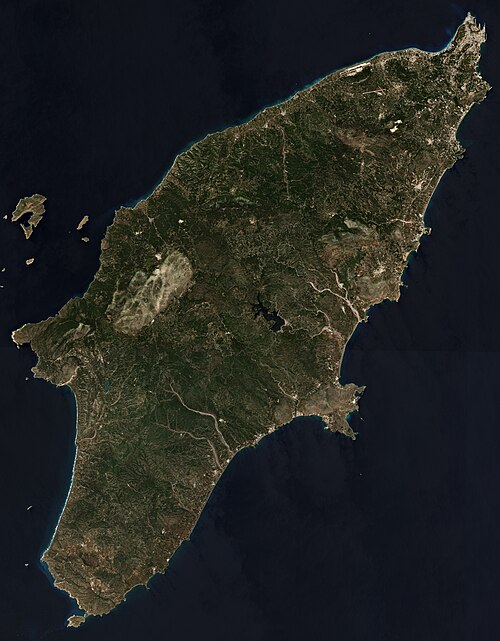
Ródos, the largest island in the Dodecanese archipelago, is located in the southeastern Aegean Sea, near the coast of Turkey. Known for its rich history, stunning landscapes, and vibrant culture, Ródos serves as both a popular tourist destination and a significant historical site. The city of Ródos, the island's capital, has been inhabited since ancient times and boasts a blend of classical and medieval architecture. The medieval Old Town of Ródos, a UNESCO World Heritage Site, is particularly famous for its well-preserved fortifications and historical landmarks, including the Palace of the Grand Master, which reflects the island's past under the Knights of St. John.
The strategic location of Ródos has made it a significant player in various historical periods, including ancient Greek civilization, Roman rule, and the Byzantine Empire. The island's role as a trade hub enriched its cultural diversity, as evidenced by its mix of Greek, Roman, and Ottoman influences. In addition to its historical significance, Ródos is celebrated for its natural beauty, featuring picturesque beaches, crystal-clear waters, and fertile landscapes that support a range of agricultural activities. The island's moderate Mediterranean climate further enhances its appeal, attracting visitors year-round for activities like swimming, hiking, and exploring archaeological sites. Ródos is also known for its vibrant nightlife, dining experiences, and local festivals, which showcase its unique traditions and hospitality. Overall, Ródos remains a vital cultural and historical center in Greece with a diverse array of attractions that continue to enchant visitors from around the world.
Facts about Ródos
- Ródos is home to the ancient Colossus of Rhodes, one of the Seven Wonders of the Ancient World, which stood at the entrance of the harbor and was a symbol of the city’s wealth and power.
- The Old Town of Ródos is a UNESCO World Heritage Site, characterized by its well-preserved medieval architecture, including the Palace of the Grand Master and the Knights of St. John’s fortress.
- Ródos has a unique blend of Greek and Ottoman influences, seen in its architecture, culinary traditions, and cultural festivals, setting it apart from other Greek cities.
- During the Hellenistic period, Ródos was a major maritime and cultural center, known for its universities, philosophers, and significant contributions to art and science.
- The island hosts the annual Ródos International Film Festival, which highlights the local film industry and attracts filmmakers from across the globe.
- Ródos has a distinct climate with long, warm summers and mild winters, making it a popular tourist destination year-round, unlike many other regions in Greece.
- The Acropolis of Lindos, located on Ródos, features ancient ruins, including a temple dedicated to Athena Lindia, providing a glimpse into the island's significant historical past.
- Ródos is known for its unique 'mandilaria,' a distinctive headscarf traditionally worn by local women, which showcases the island's rich cultural heritage.
- The island celebrates the Feast of the Virgin Mary every August 15th with vibrant processions and cultural events, distinct from celebrations in other parts of Greece.
- Ródos features beautiful beaches and crystal-clear waters, with specific areas like Anthony Quinn Bay and Lindos Beach being renowned for their beauty, setting the island apart as a beach destination in Greece.