Roman, Romania
- 67,819 people
- 1 places to visit
- 46.9334, 26.9266
Places to Visit (1)
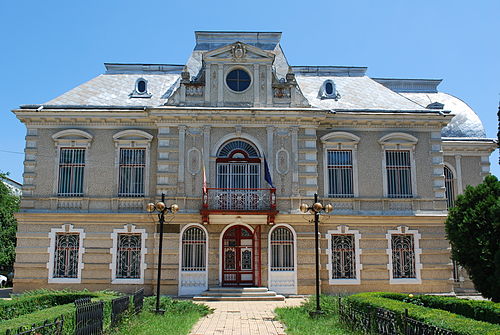
Roman is a city located in northeastern Romania, nestled in Neamț County. With a history traced back to Roman colonization, this city lies on the banks of the Siret River, serving as a significant industrial and cultural hub in the region. Established in ancient times, Roman was known as a center of trade and commerce and has seen various cultural influences over the centuries, including Roman, Ottoman, and Austro-Hungarian. The local economy has evolved from its historical agricultural roots to incorporate various industries, including textiles, construction materials, and food processing.
The city's architectural landscape is a reflection of its rich history, featuring structures from different eras. Notable landmarks include St. Nicholas Church, a stunning example of the local architectural style, and the ruins of ancient Roman settlements that attract historians and tourists alike. Roman also celebrates cultural heritage through festivals and events that highlight traditional crafts, music, and gastronomy. The proximity to natural attractions such as Ceahlău Massif National Park enhances the appeal of Roman, drawing visitors interested in outdoor activities like hiking and nature exploration. Despite its small size, the city's vibrant community and diverse heritage make it a fascinating destination in Romania.
Facts about Roman
- Roman is known for the historic Neolithic site of Gomărie, showcasing Romania's ancient settlements.
- The city has a rich medieval heritage, reflected in its historical architecture, including the 14th-century Church of St. Nicholas.
- Roman is the birthplace of several notable figures, including the musician George Enescu and the poet George Coșbuc.
- The city is home to the largest public square in the region, called Piata Romana, which hosts various cultural events and festivals.
- Roman plays a significant role in the textile industry of Romania, known for its production of clothing and fabric.
- The Bistrita River, which flows through Roman, contributes to the area's natural beauty and has been a crucial resource for the community.
- Roman hosts an annual fair called the "Targul de Primavara," celebrating local artisans and traditional crafts with participants from across the region.
- The city is recognized for its vibrant cultural scene, with institutions like the 'Mihai Eminescu' Cultural Center promoting arts and literature.
- Roman's strategic location has made it a historical crossroads for trade and transportation, influencing its cultural diversity.
- The local cuisine includes unique dishes such as 'mici' and 'ciorbă de burtă', reflecting the region's culinary heritage.