Ronda, Spain
- 36,827 people
- 19 places to visit
- 36.7462, -5.1612
Places to Visit (19)
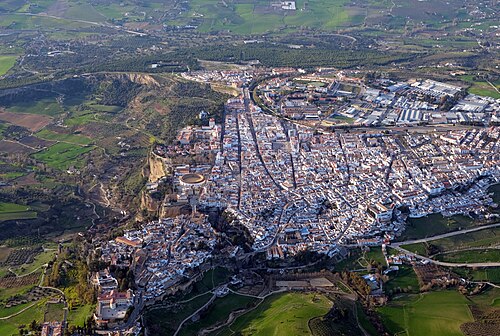
Ronda is a picturesque city located in the Malaga province of Andalusia, southern Spain. Perched atop a steep cliff above the El Tajo gorge, Ronda is renowned for its stunning views and rich historical heritage. The city has a population of approximately 33,000 inhabitants, making it one of the larger towns in the Serranía de Ronda comarca. Ronda's origins trace back to the Roman era, evidenced by archaeological remains, but it is most famously known for its significant Moorish influence, which can be seen in its architecture and layout. The city's historical center, a designated monument, boasts charming whitewashed buildings, narrow cobblestone streets, and an array of scenic viewpoints that attract numerous visitors each year.
One of Ronda's most iconic landmarks is the Puente Nuevo, or "New Bridge," which spans the El Tajo gorge and connects the old and new parts of the city. Completed in 1793, this stunning stone bridge stands 120 meters high and offers breathtaking views of the gorge below and the surrounding countryside. Alongside the bridge, visitors can explore the Plaza de Toros, one of the oldest bullrings in Spain, which reveals Ronda's deep connection to the traditional Spanish bullfighting culture. The city is also home to several historical structures, including the Palacio de Mondragón, the former royal palace of the Moorish kings, and the Church of Santa Maria la Mayor, which exemplifies a blend of Gothic and Baroque styles. Ronda's vibrant local culture is showcased through its culinary offerings, traditional festivals, and artisan markets, making the city a fascinating destination for those looking to experience the unique blend of history, culture, and natural beauty in Spain.
Facts about Ronda
- Ronda is famous for its stunning cliffside location, situated 750 meters above sea level in the Sierra de Ronda mountains, making it one of the highest cities in Spain.
- The Puente Nuevo (New Bridge), completed in 1793, is an iconic landmark of Ronda that spans a deep gorge and offers breathtaking views, distinguishing the city with its impressive architecture and scenic beauty.
- Ronda is recognized as one of the oldest towns in Spain, with archaeological evidence suggesting settlements dating back to prehistoric times, including a rich history influenced by various cultures such as the Romans and Moors.
- The city is home to one of the oldest bullrings in Spain, the Plaza de Toros de Ronda, built in 1784, which is considered a significant site for Spain's bullfighting tradition and attracts many visitors.
- Ronda is known for its unique blend of Moorish and Christian architectural styles, exemplified in its buildings, such as the Iglesia de Santa María la Mayor, which was a former mosque converted into a church.
- The famous writer Ernest Hemingway was captivated by Ronda and frequently visited the city, highlighting its charm in his works, particularly in 'For Whom the Bell Tolls'.
- Ronda is situated in the province of Málaga but is distinct for its romantic landscapes and dramatic topography, contributing to its reputation as a picturesque getaway from the Costa del Sol.
- The annual Ronda Romántica festival celebrates the city's historical heritage, featuring parades, traditional costumes, and various cultural events that showcase Ronda's commitment to preserving its unique history.
- Ronda's Tajo gorge offers access to several breathtaking natural parks, making it a hub for outdoor activities, such as hiking and rock climbing, attracting nature enthusiasts from around the world.
- The city's wine production, especially the sweet wines from the Serranía de Ronda region, is notable and contributes to an emerging wine tourism scene that sets Ronda apart from other Spanish cities.