Roosendaal, Netherlands
- 77,725 people
- 18 places to visit
- 51.5358, 4.4653
Places to Visit (18)
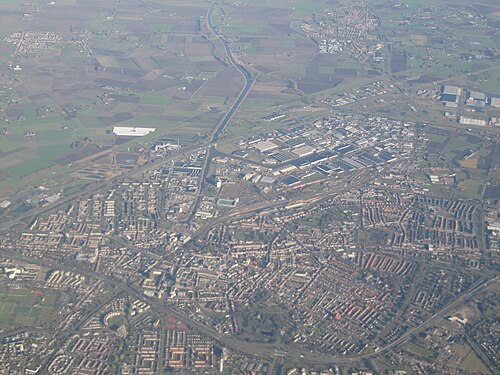
Roosendaal is a city located in the southern part of the Netherlands, in the province of North Brabant. With its rich history dating back to the late Middle Ages, Roosendaal developed from a small settlement into an important market town. The name "Roosendaal" is derived from its historical roots, where "Roos" refers to rose and "daal" means valley, indicating its picturesque setting along the drainage basin of the river Mark. Over the years, Roosendaal has evolved into a vibrant and dynamic city, distinguished by its blend of historical charm and modern amenities.
Geographically, Roosendaal is strategically situated near the borders of Belgium, making it a convenient hub for cross-border trade and travel. The city's development has been closely linked with its transportation infrastructure, which includes a railway station connecting it to major cities like Antwerp, Breda, and Rotterdam. Roosendaal boasts a range of facilities and services, including shopping centers, recreational areas, and cultural institutions. Notably, the city is home to the historic St. John's Church, which features stunning architecture and serves as a focal point for community events. The annual Carnaval celebration, a colorful and lively festival, highlights Roosendaal's rich cultural heritage, drawing locals and visitors alike to participate in the festivities.
In terms of economy, Roosendaal has transitioned from its agricultural roots to a more diversified industrial base. The city is home to several logistics and distribution companies, taking advantage of its proximity to major transport routes. Roosendaal's economic landscape is characterized by a mix of small and medium-sized enterprises, which contribute to its local employment and entrepreneurial spirit. With a population of approximately 60,000 residents, Roosendaal continues to grow and adapt, balancing its historical legacy with the demands of modern living, thereby offering a unique and attractive environment for both residents and visitors.
Facts about Roosendaal
- Roosendaal is known for its unique dual railway stations: Roosendaal and Roosendaal-West, which serve different routes and enhance local connectivity.
- The city features a historical center with well-preserved architecture and a notable church, the St. John's Church (Sint-Janskerk), dating back to the 16th century.
- Roosendaal hosts the annual 'Roosendaal Shopping Night,' a vibrant event that showcases local businesses, culture, and community spirit, attracting visitors from surrounding areas.
- The city is renowned for its role in the furniture industry, being home to several renowned furniture retailers and factories, making it a hub for design and craftsmanship.
- Roosendaal's location near the Belgian border makes it a strategic point for cross-border trade and a popular destination for Belgian shoppers seeking Dutch goods.
- The city has a strong connection to the sport of handball, with local teams achieving significant success in national competitions, distinguishing it from many other Dutch cities.
- Roosendaal is home to a variety of parks and green spaces, with the 'Stadspark' serving as a central recreational area that hosts community events throughout the year.
- The city was the site of the historic 'Battle of Roosendaal' in 1794, a notable conflict during the French Revolutionary Wars that played a role in shaping local history.
- Roosendaal's vibrant cultural scene includes the 'Theater de Kring,' which hosts a wide range of performances, from theater and music to dance, enhancing the local cultural landscape.
- The annual 'Roosendaal Carnival' is a colorful event celebrated with parades, costumes, and festive activities, reflecting the city's rich cultural traditions.