Rosenheim, Germany
- 60,167 people
- 13 places to visit
- 47.8571, 12.1181
Places to Visit (13)
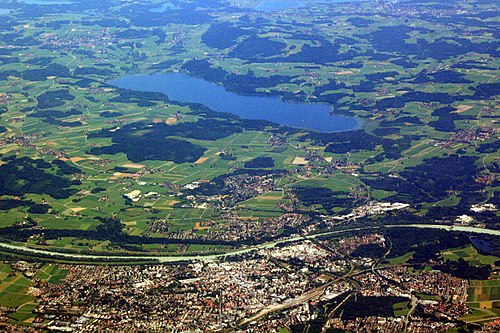
Rosenheim is a picturesque city located in southeastern Bavaria, Germany, known for its rich cultural history, charming architecture, and stunning natural surroundings. Renowned for its strategic position at the confluence of the rivers Inn and Mangfall, Rosenheim serves as an important transportation hub in the region. The city's population is approximately 63,000, making it a moderate-sized urban area, yet it retains a welcoming small-town feel. Founded around the 13th century, Rosenheim became a significant center for trade and commerce, particularly during the textile boom of the 19th century. The architecture in the city reflects this history, with well-preserved buildings featuring Baroque, Gothic, and Renaissance styles, particularly visible in the historic town center.
Cultural life in Rosenheim is vibrant, bolstered by a variety of festivals, museums, and theaters that showcase both local and international art and traditions. The Rosenaustadion, home to the local ice hockey team, and the Rosenheim Summer Festival stand out as major attractions. Additionally, the city's picturesque parks and gardens provide ideal spaces for relaxation and outdoor activities. Its proximity to the Alps makes it a favored spot for outdoor enthusiasts, offering easy access to hiking, skiing, and mountain biking. The nearby Chiemsee, Bavaria’s largest lake, provides opportunities for boating and water sports, further enhancing the region's appeal.
Rosenheim is also noted for its strong economic base, which includes industries such as machinery, electronics, and logistics. The city has focused on sustainability and innovation, becoming home to several high-tech companies and research facilities. Accessibility is facilitated by an efficient public transport system, including trains connecting to Munich and other major cities, making it a convenient residence for commuters. With its blend of historical significance, economic vitality, and stunning natural beauty, Rosenheim stands out as a notable location in Bavaria, attracting visitors year-round and offering a high quality of life for its residents.
Facts about Rosenheim
- Rosenheim is known for its traditional Bavarian architecture, featuring charming streets filled with historic buildings and well-preserved town squares.
- The city houses the 'Rosenheim: Heimat der Kinobewohner' museum, showcasing the unique history of cinema in the region, one of the few focused solely on this theme in Germany.
- The Rosenheim Summer Festival is one of the largest and most popular folk festivals in Bavaria, attracting thousands of visitors each year to celebrate local culture with music, food, and crafts.
- Rosenheim is often referred to as the 'Gateway to the Alps' due to its proximity to the Bavarian Alps, making it a favored starting point for outdoor activities such as hiking and skiing.
- The city has a rich railway history and is known for its beautiful railway station, which was built in 1871 and features impressive architecture that stands out among German train stations.
- Rosenheim hosts the annual Rosenheim Limbo Festival, which uniquely combines the art of limbo dancing with local arts, music, and theatre, making it a distinctive event in the German festival calendar.
- The city has a unique historical connection to the paper industry, once being a major hub for paper manufacturing, and this is recognized in local heritage sites and museums.
- Rosenheim is home to one of the oldest preserved wooden bridges in Bavaria, the Luitpold Bridge, which dates back to the 19th century and showcases the city's historical significance in engineering.
- The Rosenheim Christmas market is one of the most picturesque in Germany, featuring beautifully crafted artisan goods and traditional Bavarian delicacies, set against a charming winter backdrop.
- The 'Rosenheim Incident' refers to a significant UFO sighting that took place in the city in 1950, making it a notable event in both local and international ufology discussions.