Rottenburg, Germany
- 42,721 people
- 5 places to visit
- 48.4791, 8.9409
Places to Visit (5)
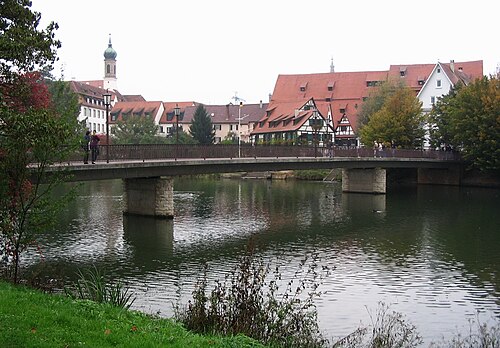
Rottenburg am Neckar is a historic town located in the state of Baden-Württemberg, Germany. Nestled along the banks of the Neckar River, it lies approximately 50 kilometers southwest of Stuttgart and serves as the seat of the Tuttlingen district. The town has a rich history that dates back to the Roman Empire, with evidence of settlements in the area dating as far back as the 1st century AD. Rottenburg's historical significance is further highlighted by its well-preserved medieval architecture, including the iconic St. Martin's Cathedral, which showcases elements of both Romanesque and Gothic styles. The charming streets of the old town are lined with traditional timber-framed houses, creating a picturesque setting that attracts visitors and history enthusiasts alike.
The local economy of Rottenburg is diverse, with a mix of small and medium-sized enterprises contributing to its growth. The town has a strong emphasis on education and research, evidenced by the presence of several institutions, including the Rottenburg University of Applied Forestry. This school specializes in environmental sciences and sustainable forestry practices, reflecting the region's commitment to ecological preservation. Rottenburg is also known for its flourishing wine industry, taking advantage of the favorable climate for viticulture in the Neckar Valley. The picturesque surroundings and ample outdoor opportunities, including hiking and cycling trails, enhance the town's appeal to nature lovers.
Culturally, Rottenburg engages its residents and visitors through various festivals and events throughout the year, showcasing the region's traditions and local craftsmanship. The annual wine festival, for instance, celebrates the harvest and the local wine culture, attracting wine enthusiasts from near and far. Additionally, the town's proximity to larger urban centers offers residents access to a wider range of amenities while maintaining a serene and community-oriented atmosphere. This combination of historical charm, vibrant cultural life, and commitment to sustainability makes Rottenburg am Neckar a unique and desirable location in southwestern Germany.
Facts about Rottenburg
- Rottenburg am Neckar is home to the prestigious Hohenzollern Castle, which was historically tied to the Hohenzollern dynasty, distinguishing it as a significant site of German aristocracy.
- The city features the impressive St. Martin's Cathedral, known for its stunning Gothic architecture and a rich history dating back to the 12th century that sets it apart from many other German towns.
- Rottenburg is located on the picturesque Neckar river, known for its scenic beauty and outdoor activities, making it a unique destination for nature lovers in comparison to many urban centers.
- The city celebrates its lively annual festival, the Rottenburg Fair, which showcases local traditions, crafts, and gastronomy, making it a hub of community spirit and cultural pride.
- Rottenburg is part of the Swabian region, known for its distinct cultural identity, including unique dialects, cuisine, and folklore that differentiate it from other regions of Germany.
- The city has a rich Roman history, with numerous archaeological sites that reflect its significance during the Roman Empire, offering a unique glimpse into ancient Germanic past.
- Rottenburg is famous for its wine production and is part of the renowned Württemberg wine region, which is particularly known for its robust red wines, unlike many other regions in Germany.
- The city's historic old town features well-preserved medieval buildings and charming streets that provide a vivid sense of history and tradition distinct from more modern developments in other areas.
- Rottenburg's educational institutions, particularly in the field of theology, are notable, especially the renowned Rottenburg priest seminary, which distinguishes it in terms of religious education.
- The city has a unique blend of historical and modern influences, as evidenced by its architecture and community spirit, crafting an identity that stands out within the broader landscape of Germany.