Rotterdam, Netherlands
- 598,199 people
- 18 places to visit
- 51.9244, 4.4777
Places to Visit (18)
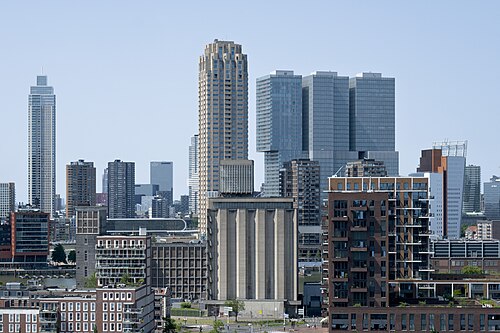
Rotterdam, the second-largest city in the Netherlands, is known for its modern architecture, vibrant cultural scene, and significant port, which is one of the busiest in the world. Located in the province of South Holland, this city has a rich maritime history that dates back to the 13th century when it was founded as a fishing village. Over time, it evolved into a major trading hub due to its strategic position along the Nieuwe Maas River, facilitating international trade. The city's growth accelerated during the Industrial Revolution, and today, it serves as a critical logistical center for Europe, handling a substantial volume of cargo each year.
The urban landscape of Rotterdam is marked by its innovative architecture that emerged after World War II when much of the city was devastated by bombings. The reconstruction efforts led to the development of iconic structures, such as the Euromast, a tower offering panoramic views, and the Cube Houses, a unique residential design by architect Piet Blom. The city's commitment to contemporary architecture is also exemplified by the Rotterdam Markthal, an indoor market with a stunning arched structure, home to a variety of food vendors and restaurants. Rotterdam is also a cultural hub, hosting several museums, including the Kunsthal and the Boijmans Van Beuningen, as well as numerous music festivals and events throughout the year.
The city's diverse population contributes to its dynamic atmosphere, making it a melting pot of cultures. Rotterdam boasts a rich culinary scene, offering everything from traditional Dutch cuisine to international food options reflecting its multicultural community. Additionally, the city's waterfront areas, including the Rotterdam Harbor and the Maasboulevard, provide scenic views, recreational spaces, and opportunities for leisure activities. As a forward-thinking city, Rotterdam prioritizes sustainability and innovation, evident in its urban planning and a focus on green initiatives, ensuring that it remains a vibrant and liveable city for residents and visitors alike.
Facts about Rotterdam
- Rotterdam is known for its modern and innovative architecture, with iconic buildings like the Cube Houses and the Erasmus Bridge, distinguishing it from other Dutch cities that often showcase historical architecture.
- The city was heavily bombed during World War II, leading to a complete reconstruction and resulting in a unique, modern urban landscape unlike many other historical cities in the Netherlands.
- Rotterdam is home to one of the largest and busiest ports in the world, known as the Port of Rotterdam, which plays a crucial role in global shipping and trade.
- The city's waterfront is marked by the 'Wilhelminapier,' hosting the famous 'Hotel New York,' which was once the headquarters for the Holland America Line.
- Rotterdam hosts the International Film Festival Rotterdam (IFFR), one of the largest film festivals in Europe, attracting filmmakers and cinephiles from around the world.
- The city has an extensive system of waterways, canals, and bridges, making it distinctively accessible by water compared to other Dutch cities.
- Rotterdam is known for its vibrant cultural scene, including the renowned Kunsthal museum, which showcases diverse art exhibitions throughout the year.
- The city's skyline has a distinctive silhouette, dominated by high-rise buildings, and is often referred to as the 'Manhattan on the Maas' because of its modern feel.
- Rotterdam is a hub for sustainability and green initiatives, with projects like the 'Rotterdam Climate Initiative' aiming to make it one of the most sustainable cities in the world.
- The famous local delicacy 'Kapsalon,' a dish consisting of fries topped with shawarma, cheese, and salad, was created in Rotterdam, highlighting the city's diverse culinary scene.