Rufisque, Senegal
- 221,066 people
- 7 places to visit
- 14.7155, -17.2709
Places to Visit (7)
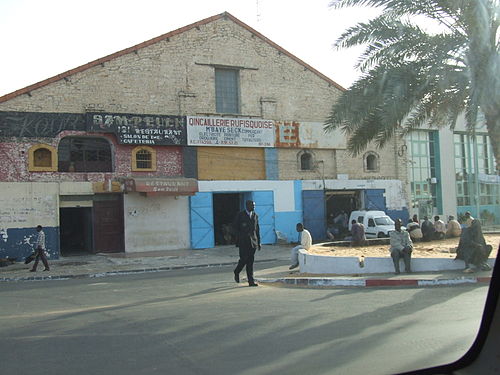
Rufisque is a vibrant city located in the western part of Senegal, situated approximately 30 kilometers east of the nation's capital, Dakar. As a suburban area of Dakar, it serves as an important hub within the Dakar Region. Rufisque has a rich history, having been established during the French colonial period, and it is known for its diverse culture and population. The city is primarily known for its historical significance and as a center for trade and commerce, especially during the colonial era when it became a key location for the export of peanuts and other agricultural goods. With a population of over 200,000 residents, Rufisque is characterized by a blend of traditional Senegalese culture and modern urban dynamics.
The geography of Rufisque is marked by its coastal location along the Atlantic Ocean, contributing to its economic activities, which include fishing and small-scale industries. The city is also home to several vibrant neighborhoods, markets, and schools, reflecting the rich cultural tapestry of the area. Rufisque features an array of architectural styles, including colonial buildings and traditional Senegalese structures, which together tell the story of its historical evolution. Furthermore, the socio-economic landscape of the city has been shaped by the migration patterns in Senegal, as people from various parts of the country and neighboring regions come to seek opportunities. The local economy is predominantly based on trade, services, and agriculture, with a growing emphasis on local craftsmanship and entrepreneurship.
Rufisque has seen significant development in infrastructure and public services over the years, benefiting from initiatives aimed at urban renewal and community enhancement. The city plays a crucial role in Senegal's transportation network, providing access to major roads and railways that connect it to Dakar and other key regions. In terms of education and health services, Rufisque is home to several educational institutions and health clinics, which cater to the needs of its residents. The city’s rich cultural heritage is also showcased through various festivals and events that celebrate local traditions, music, and art. Overall, Rufisque represents an essential part of Senegal's identity, merging its historical roots with contemporary development and contributing to the dynamism of the greater Dakar area.
Facts about Rufisque
- Rufisque is one of the oldest cities in Senegal, founded in the 17th century, and served as an important trading post for the French during colonial times.
- The city is renowned for its vibrant cultural heritage, particularly its unique blend of Wolof and French influences, evident in its architecture and local customs.
- Rufisque hosts the annual 'Festival of St. Louis,' celebrating Senegalese culture, music, and art, attracting visitors from all over the country.
- The city is notable for its historical structures, including the Medina of Rufisque, which reflects the rich cultural history and traditional Senegalese lifestyle.
- Rufisque has a significant fishing industry, benefiting from its coastal location, making it a vital hub for seafood in the region.
- Unlike many other Senegalese cities, Rufisque has managed to preserve several traditional markets, such as the Grand Marché, which showcases local crafts and produce.
- The Rufisque region is home to several ethnic groups, promoting a diverse cultural atmosphere distinct from other cities in Senegal.
- Rufisque is located just a few kilometers from Dakar, making it a strategic area for economic activity and a commuter city for those working in the capital.
- The city's commitment to education is evident in its numerous schools and institutions, which educate a significant portion of the youth in the surrounding areas.
- Rufisque is also known for its vibrant music scene, contributing to the development of local genres like Mbalax and traditional drumming.