Ruqi, Somalia
- 148,702 people
- 1 places to visit
- 9.9699, 43.4277
Places to Visit (1)
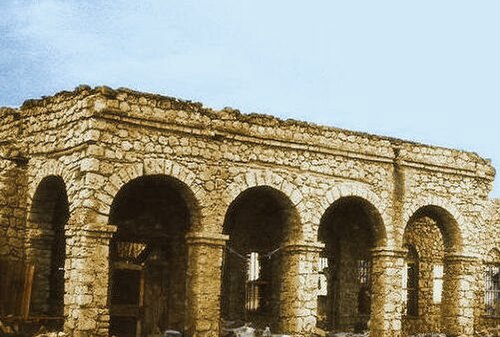
Ruqi is a small town located in the southeastern region of Somalia, primarily in the Lower Juba province. It is situated near the banks of the Juba River, which has historically provided both resources and strategic significance to the area. The town is part of a predominantly pastoral and agro-pastoral economy, with many residents relying on livestock herding and farming for their livelihoods. The region has experienced challenges related to drought and conflict, impacting agricultural productivity and the overall economy.
The demographics of Ruqi showcase a diverse population, predominantly consisting of Somali ethnic groups. The cultural fabric of the town reflects the rich heritage of the Somali people, including their traditions, language, and social structures. The local economy has been influenced by the broader economic conditions in Somalia, with trade and small-scale businesses playing vital roles. Despite the hardships faced by the region, community resilience has facilitated efforts to rebuild and improve infrastructure, including education and healthcare services.
In recent years, Ruqi's strategic location near the Juba River has garnered attention for potential development opportunities. Efforts by local leaders and non-governmental organizations focus on improving water access, enhancing agricultural practices, and fostering community cohesion. As Somalia continues to navigate its recovery from decades of instability, towns like Ruqi remain essential for understanding local dynamics and the path towards a more stable and prosperous future.
Facts about Ruqi
- Ruqi is situated in the southwestern region of Somalia, near the border with Ethiopia, making it a significant trade point between the two countries.
- The city has a rich history that dates back to ancient times, as it was part of various trade routes linking the coastal cities of Somalia to the interiors of Africa.
- Ruqi is known for its unique cultural blend, influenced by both Somali traditions and the nearby Ethiopian heritage, resulting in a distinct way of life and local customs.
- The annual Ruqi Cultural Festival celebrates the diverse ethnic backgrounds and traditions of the local population, showcasing traditional music, dance, and art.
- Unlike many other towns in Somalia, Ruqi has increased agrarian activity due to its favorable climate and fertile lands, making agriculture a key part of its economy.
- The city is home to several historical landmarks, including ancient ruins and traditional Somali architecture that reflect its long-standing heritage.
- Ruqi has been a focal point for educational initiatives in the region, with various local and international organizations working to improve literacy and access to education.
- The city's strategic location near major road networks enhances its accessibility, making it an important logistical hub for the surrounding areas.
- Ruqi has a relatively diverse population that includes different clans and ethnic groups, fostering a unique social fabric not often seen in other areas of Somalia.
- In recent years, Ruqi has seen a resurgence in community-based development projects aimed at improving infrastructure and promoting local businesses.