Ružomberok, Slovakia
- 30,806 people
- 11 places to visit
- 49.0752, 19.3066
Places to Visit (11)
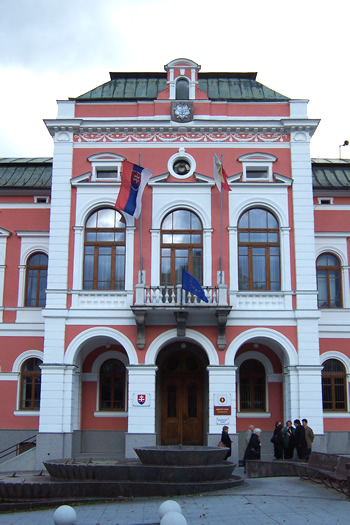
Ružomberok is a picturesque town located in central Slovakia, known for its rich history and beautiful natural surroundings. Nestled in the valley of the Váh River, Ružomberok is situated at the foot of the Great Fatra mountain range, making it an attractive destination for outdoor enthusiasts. The town has a population of approximately 28,000 residents and serves as an important administrative and economic center for the region. Its strategic location allows for easy access to numerous hiking trails, ski resorts, and other recreational opportunities, particularly in the winter sports scene.
Historically, Ružomberok developed as an important center for trade and commerce during the Middle Ages, thriving thanks to its location along key trade routes. The town boasts several notable architectural landmarks, including the neo-Gothic Church of St. Andrew and the Renaissance-style Old Town. It also has a rich cultural heritage, evidenced by its vibrant spiritual life and local traditions. The Museum of the Slovak Village offers insight into the region's folk culture, showcasing traditional crafts, costumes, and customs. Additionally, Ružomberok is home to the long-standing tradition of papermaking, with the local paper mill playing a significant role in its economic development.
Modern Ružomberok is characterized by a mix of historical charm and contemporary amenities, providing residents and visitors with a blend of cultural experiences and recreational options. The town is well-connected by road and rail, facilitating transport to nearby cities such as Žilina and Martin. As part of the Liptov region, it serves as a gateway to stunning natural attractions, including the Low Tatras National Park and the UNESCO-listed heritage site of the Wooden Churches of the Slovak Paradise. With its rich history, vibrant community life, and proximity to nature, Ružomberok continues to be a unique and appealing destination in Slovakia.
Facts about Ružomberok
- Ružomberok is home to the iconic wooden church of St. Andrew, which is a UNESCO World Heritage Site and an excellent example of traditional Slovak wooden architecture.
- The city was historically significant as a center for textile production and played a key role in the industrialization of Slovakia during the 19th century.
- Ružomberok hosts the annual culture and arts festival known as the 'Ružomberok Cultural Summer', showcasing local traditions, music, and crafts.
- The city is uniquely situated next to the scenic Malinô Brdo, a popular ski resort in the Low Tatras mountains, making it a year-round destination for outdoor activities.
- Ružomberok is famously associated with the Slovakian politician and statesman and the first president of the Slovak Republic, Michal Kováč, who was born in the region.
- The town's historical center features well-preserved medieval architecture, including the Rúbaň House and the Old Town Hall, which reflect its rich history.
- Ružomberok is a key educational center in Slovakia, hosting the Catholic University of Ružomberok, which offers various academic programs and contributes to local culture.
- The city is located at the confluence of the rivers Váh and Revúca, which has historically contributed to its development as a trade and transport hub.
- Ružomberok is known for its active cultural scene, including the renowned Liptov Art Gallery, which exhibits works by Slovak artists and hosts various cultural events.
- The city celebrates its local cuisine, particularly dishes like bryndzové halušky (potato dumplings with sheep cheese), which are popular throughout Slovakia but have a special regional twist in Ružomberok.