Rybinsk, Russian Federation
- 216,724 people
- 9 places to visit
- 58.0575, 38.8117
Places to Visit (9)
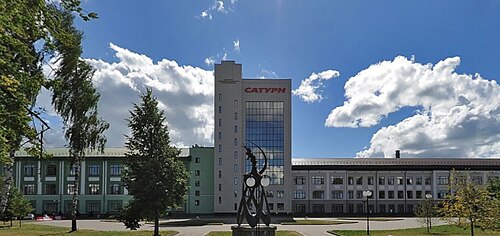
Rybinsk is a historical city located in the Yaroslavl Oblast of the Russian Federation, situated on the banks of the Volga River, approximately 200 kilometers north of Moscow. With a population of around 200,000, Rybinsk has a rich cultural and industrial heritage. The city was founded in 1071, initially serving as a trading post and later developing into a significant port city. Its strategic location along the Volga contributed to its growth as a center of commerce and transportation. Rybinsk became an official town in 1777 and served as an important hub during the Russian Empire, particularly known for its shipbuilding facilities, which supported both military and civilian maritime activities.
Rybinsk is also recognized for its architectural landmarks, with a mix of neoclassical buildings and traditional Russian styles. Notable attractions include the Rybinsk Reservoir, one of the largest artificial lakes in Europe, and the city's historical center, featuring the Cathedral of the Assumption and the Rybinsk Museum of Local Lore. The city's economy has diversified over the years, transitioning from traditional industries to modern manufacturing, including the aerospace and shipbuilding sectors. Rybinsk is home to several educational institutions and hosts cultural events that celebrate its history and traditions. With its picturesque river views and rich historical context, Rybinsk remains a significant cultural and economic center in the region.
Facts about Rybinsk
- Rybinsk is home to the world's largest freshwater reservoir, the Rybinsk Reservoir, which was created in the 1940s to support hydroelectric power and navigation.
- The city is known for its unique wooden architecture, with several historic wooden buildings that showcase traditional Russian craftsmanship.
- Rybinsk has a rich maritime history, being a significant port on the Volga River and a center for shipbuilding during the Soviet era.
- The Rybinsk Historical-Architectural Museum preserves the city's heritage and houses exhibits related to local history, including the famous Rybinsk Bread, a traditional local product.
- Rybinsk hosts the 'Aero-Bridge' festival, celebrating aeronautics and aviation, making it one of the few cities in Russia to hold such an event.
- The city was an important center for aviation manufacturing during the Soviet period, contributing to the production of numerous aircraft.
- Rybinsk is also credited with being home to the first Soviet hydrofoil boat, reflecting its pioneering role in hydrofoil technology.
- The Rybinsk Kremlin, though smaller than its Moscow counterpart, is a notable structure of historical significance in the city.
- Rybinsk features beautiful parks and gardens, such as the Rybinsk Pleshkov Park, which enhances its appeal as a city of cultural and natural beauty.
- The city was a significant center for the development of the Volga River trade routes, influencing economic activity in the region for centuries.