Rybnik, Poland
- 142,510 people
- 17 places to visit
- 50.1022, 18.5463
Places to Visit (17)
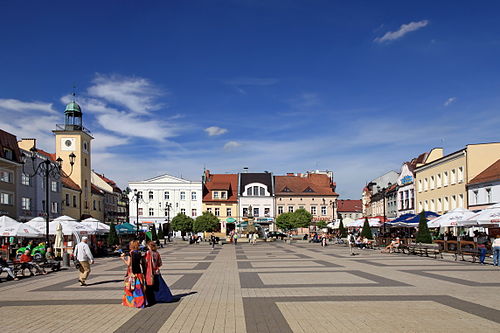
Rybnik is a city located in southern Poland, specifically in the Silesian Voivodeship. The city sits on the banks of the Ruda River and has a rich history that dates back to the 13th century, when it was first mentioned in historical records. Historically, Rybnik thrived due to its strategic location along important trade routes, which facilitated commerce and cultural exchanges. With a population of approximately 140,000, Rybnik has developed into a significant urban center in the region. The city's economy initially focused on agriculture and trade but later transitioned to industry, particularly coal mining and heavy manufacturing, which played a crucial role in the local economy during the industrial era.
Rybnik is characterized by its diverse cultural heritage, visible in its architecture and local traditions. The city boasts various historical sites, such as the St. Anthony's Church, a striking example of neo-Gothic architecture, and the historic market square, which serves as a social hub for residents and visitors alike. Additionally, the city hosts numerous cultural events and festivals throughout the year, reflecting its vibrant community spirit. Rybnik is also conducive to outdoor activities, with several parks, green spaces, and recreational areas. The surrounding landscapes are ideal for hiking, biking, and enjoying nature, making Rybnik an attractive destination for those seeking both urban and natural experiences. As a city that honors its past while embracing modern development, Rybnik continues to evolve, contributing to Poland's broader economic and cultural landscape.
Facts about Rybnik
- Rybnik is known for its rich coal mining history, being one of the key centers of coal mining in Poland, which significantly contributed to the country's industrial development.
- The city features a unique urban layout, as it was historically developed around the Rybnik Reservoir, which is a popular recreational area for residents and visitors.
- Rybnik has a vibrant arts scene, showcased through events like the Rybnik Music Festival, which celebrates various musical genres and attracts artists from different countries.
- Rybnik is home to the oldest preserved wooden church in the region, the Church of St. Anthony, dating back to the 16th century, which highlights the city's architectural heritage.
- The city hosts the annual Rybnik Carnival, a cultural event that features parades, music, and traditional performances, distinguishing it from other towns that may not have similar celebrations.
- Rybnik is also recognized for its commitment to green spaces, with numerous parks and recreational areas, including the beautiful Rybnik Park, providing urban residents with nature access.
- The city has a diverse population, with a significant number of residents of Silesian and Czech descent, contributing to a unique cultural blend not found in many other Polish cities.
- Rybnik's local football team, ROW 1964 Rybnik, has a strong local following and plays a significant role in the community, reflecting the city’s passion for sports.
- After World War II, Rybnik saw significant industrial development, making it one of the key industrial hubs in the Upper Silesian region, setting it apart from many other Polish towns.
- As a town that has undergone significant transformation after the decline of coal mining, Rybnik is currently focusing on diversification of its economy and sustainable urban development.