Rydułtowy, Poland
- 21,887 people
- 7 places to visit
- 50.0579, 18.4174
Places to Visit (7)
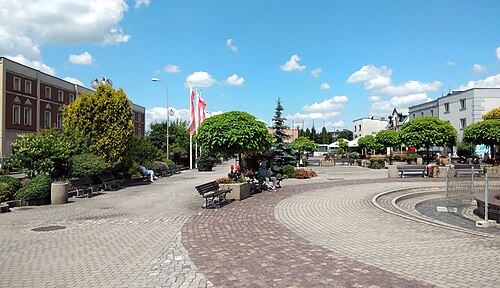
Rydułtowy is a small city located in southern Poland, within the Silesian Voivodeship, specifically in the region known as Upper Silesia. As of the last census, it has a population of approximately 12,000 residents. The city covers an area of about 8 square kilometers and is situated near the larger town of Rybnik. Rydułtowy's history dates back to the 13th century, and it originally developed as a mining community, taking advantage of the rich natural resources found in the region, particularly coal. This industrial background significantly shaped its growth and economic activities, leading to the establishment of a strong working-class community.
The city's cultural and historical heritage is reflected in its architecture and urban layout, with several noteworthy buildings and landmarks. One such landmark is the Church of St. Joseph, which showcases neo-Gothic architectural elements that attract both residents and visitors alike. Rydułtowy's location provides easy access to nearby cities and natural landscapes, making it an appealing place for those seeking tranquility alongside urban amenities. The community actively participates in preserving the rich traditions and folklore of the Silesian region, hosting various cultural events and festivals throughout the year that highlight local history, music, and cuisine. Despite its small size, Rydułtowy embodies the resilience and vibrancy of Silesian towns, maintaining a close-knit community atmosphere while navigating the challenges of modern development.
Facts about Rydułtowy
- Rydułtowy is known for its rich mining heritage, having been a significant coal mining town in Poland, particularly prominent in the 19th and 20th centuries.
- The city was officially established in 1973 through the merger of several local villages and settlements, reflecting its growth from small communities into a recognized urban area.
- Rydułtowy is home to the iconic Church of St. Mary Magdalene, a notable landmark that showcases beautiful Neo-Gothic architecture and serves as a cultural icon for the city.
- The city hosts the annual 'Rydułtowy Cultural Summer' event, which features concerts, art exhibitions, and various community activities that celebrate local culture and heritage.
- Rydułtowy has an extensive network of underground tunnels from the former coal mines, which are a unique aspect of the city's industrial past.
- The Rydułtowy area has significant historical connections to the Silesian Uprisings, which were key events in the early 20th century that aimed to change borders and improve workers' rights.
- The city lies near the beautiful landscape of the Silesian Beskids, offering residents and visitors access to outdoor activities such as hiking and nature walks.
- Rydułtowy is part of the Upper Silesian Agglomeration, a metropolitan area characterized by its dense population and significant economic activities, particularly in mining and industry.
- Despite its industrial roots, Rydułtowy has been making efforts to transition towards more sustainable practices and diversify its economy beyond coal mining.
- The city's name has Slavic origins, derived from a local legend about a nobleman named Ryd, adding a unique cultural and linguistic aspect to its identity.