Saalfeld, Germany
- 28,023 people
- 7 places to visit
- 50.6493, 11.3662
Places to Visit (7)
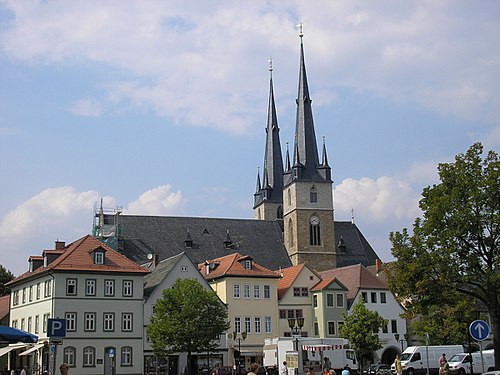
Saalfeld, a picturesque town in Thuringia, Germany, is known for its rich history and beautiful landscapes. Situated near the banks of the Saale River and nestled within the rolling hills of the Thuringian Forest, Saalfeld lies approximately 25 kilometers southeast of Erfurt, the state capital. The town's history dates back over a thousand years, with its first documented mention occurring in 850 AD. As a former center of trade and commerce, Saalfeld flourished during the medieval period, evidenced by its well-preserved historical architecture, including the striking Town Hall (Rathaus), which showcases elements of Gothic and Renaissance styles.
One of Saalfeld's most notable attractions is the Saalfeld Fairy Grottoes, a series of spectacular limestone caves that have become a popular destination for tourists. Discovered in the 19th century, these caves feature unique mineral formations and vibrant colors, providing a striking natural wonder that draws visitors from near and far. The town also embraces its cultural heritage through various museums and annual festivals, such as the Saalfeld Christmas Market, which celebrates local traditions and crafts. Additionally, Saalfeld is known for its recreational opportunities, with ample hiking trails and outdoor activities available in the nearby Thuringian Forest, enhancing its appeal as a destination for nature lovers and outdoor enthusiasts. Overall, Saalfeld melds historical significance with natural beauty, making it a charming location in Germany’s diverse landscape.
Facts about Saalfeld
- Saalfeld is known for the Saalfeld Fairy Grottoes, which are a series of stunning limestone caves featuring colorful mineral formations, making them one of the most famous cave systems in Germany.
- The city has a rich history dating back over 1,000 years, with its roots connected to the establishment of the Samhain monastery in the 9th century.
- Saalfeld played a significant role in the textile industry during the 19th century, particularly known for producing high-quality silk and textiles, setting it apart from many other towns in Germany.
- The town is home to the Castle of Saalfeld (Schloss Saalfeld), originally built in the 13th century, which now hosts cultural events and exhibitions, showcasing the region's artistic heritage.
- Saalfeld's historical marketplace, or Marktplatz, features unique medieval architecture and is a focal point for local markets and festivals, distinguishing it from many modernized city centers.
- The city is notable for its connection to renowned German poet and playwright Friedrich Schiller, who spent part of his childhood in the area.
- Saalfeld hosts the annual Saalfeld Carnival, a vibrant celebration that attracts people from around the region, known for its lively parades, costumes, and traditional events.
- The Saalfeld Region is encircled by the scenic Thuringian Forest, providing numerous opportunities for outdoor activities, including hiking and cycling, which contributes to its appeal as a nature-friendly destination.
- Saalfeld has a unique blend of medieval and modern architecture, with landmarks that include both the well-preserved city walls and contemporary structures, illustrating its historical evolution.
- The city is part of the Thuringian Wine Route, known for its wine production, making it one of the few cities in Thuringia that can boast a connection to the wine culture in Germany.