Saarbrücken, Germany
- 179,349 people
- 15 places to visit
- 49.2382, 6.9975
Places to Visit (15)
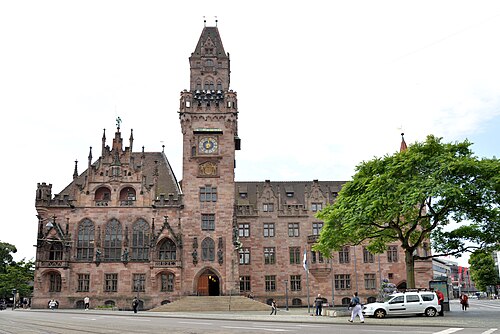
Saarbrücken is the capital city of the state of Saarland in Germany, located near the borders of France and Luxembourg. The city lies along the Saar River, approximately 15 kilometers (9 miles) north of the French border and around 30 kilometers (19 miles) southwest of the German city of Kaiserslautern. Saarbrücken has a population of about 180,000 residents and serves as an important cultural and economic hub in the region. The city has a rich history, having been a significant industrial center, particularly during the coal and steel era, which shaped much of its economic landscape in the 19th and 20th centuries.
Architecturally, Saarbrücken reflects a blend of styles, influenced by its historical ties to France and its own local traditions. Notable landmarks include the Landesmuseum, which showcases the region's history and art, and the Saarbrücken Castle, a baroque structure that sits in the city center. The St. Johanner Markt, a vibrant square with shops and cafes, is often bustling with activity and serves as a local gathering spot. Saarbrücken's cultural offerings are enriched by various festivals, theaters, and galleries, underscoring its importance as a center for the arts. Furthermore, the city's universities, including the Saarland University, attract students from both Germany and abroad, fostering a lively academic community.
Saarbrücken benefits from its strategic location, acting as a gateway between Germany and France, which has resulted in a unique Franco-German cultural exchange. The city's economy has diversified in recent decades, focusing not only on traditional industries but also on information technology, services, and research. Transportation links, including the Saarbrücken Airport and well-developed rail connections, enhance its accessibility. The blend of historical significance, cultural richness, and economic vitality makes Saarbrücken a distinctive city in the heart of Europe.
Facts about Saarbrücken
- Saarbrücken is the capital of the state of Saarland, which has a unique history shaped by its location on the border between Germany and France.
- The city is known for the Saarbrücken Castle, a historic structure that dates back to the 14th century and was extensively renovated in the 18th century.
- Saarbrücken is home to the UNESCO World Heritage Site of Völklinger Hütte, a preserved ironworks complex that showcases the industrial heritage of the region.
- The city has a strong French influence due to its proximity to the France-Germany border, evident in its cuisine, architecture, and the bilingual nature of many of its inhabitants.
- Saarbrücken hosted the 2003 European Basketball Championship, showcasing its role as a hub for sporting events.
- The historic old town, known as Alt-Saarbrücken, features unique 18th-century buildings, many of which reflect the baroque architectural style.
- Saarbrücken operates one of the few systems of a tram and trolleybus network in Germany, enhancing its public transport options and accessibility.
- The annual Saarbrücken Festival of Contemporary Music attracts artists and audiences from all over the world, promoting new musical talents.
- The city has a strong educational presence, with the Saarland University offering various programs and being one of the research institutions in Germany.
- Saarbrücken is also notable for its diverse cultural offerings, including the Saarland State Theatre, which showcases a range of performances from opera to drama.