Saarlouis, Germany
- 38,333 people
- 7 places to visit
- 49.3135, 6.7523
Places to Visit (7)
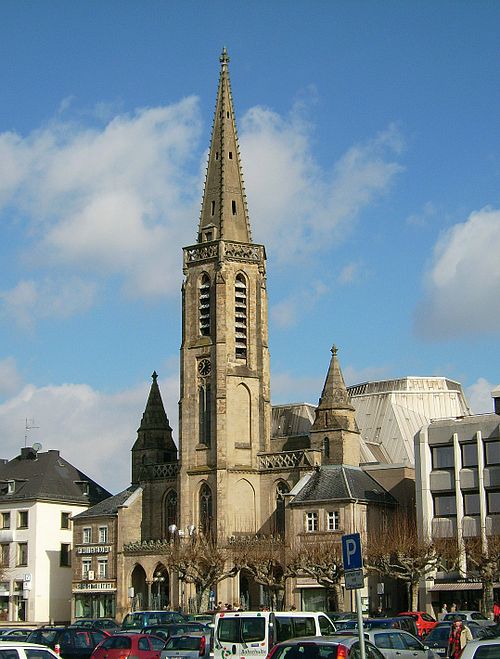
Saarlouis is a city in the federal state of Saarland, Germany, situated on the banks of the River Saar, which flows into the Moselle. With a population of approximately 34,000 residents, Saarlouis is known for its rich historical background and strategic geographic location near the borders with France and Luxembourg. Founded in 1680 by French King Louis XIV as a fortress town, the city served a vital military purpose and was named in honor of the monarch. The remnants of its 17th-century fortifications, including the Vauban-style fortress, are significant historical landmarks that reflect the city’s importance during the French-Prussian Wars.
In addition to its military heritage, Saarlouis boasts a vibrant cultural scene characterized by its diverse architecture, including Baroque-style buildings and modern structures. The city's central square, the "Lotharstraße," functions as a communal hub where residents and visitors gather for various events, markets, and festivals. Throughout the year, Saarlouis hosts several cultural events, including carnival celebrations and traditional Christmas markets, fostering a strong sense of community. The city's economy is rooted in various sectors, such as manufacturing, service industries, and retail, although it has experienced fluctuations due to changes in regional industries. Saarlouis also enjoys excellent transportation links, which facilitate access to neighboring cities and countries, enhancing its role as a regional center and a gateway to the surrounding Saarland area.
Furthermore, Saarlouis is an educational and recreational center with numerous schools, parks, and sports facilities. The city's strategic location enables easy exploration of the natural beauty of the Saarland region, including hiking trails and the picturesque Saar River. As a city steeped in history and culture, Saarlouis continues to thrive, combining its past with modern amenities to provide a quality living environment for its residents. Ultimately, Saarlouis stands out as a notable example of a small city that successfully integrates historical charm with contemporary life, making it a unique destination in southwestern Germany.
Facts about Saarlouis
- Saarlouis was founded in 1680 by the French King Louis XIV as a fortress and is named after him.
- The city's layout was designed by the famous military engineer Vauban, making it one of the few towns in Germany with a star-shaped fortress structure.
- Saarlouis was part of the French territory until 1815 when it became part of Prussian territory after the Congress of Vienna.
- The town is home to the historic Evangelische Stadtkirche, a Protestant church that dates back to the 18th century and showcases unique baroque architecture.
- Saarlouis hosts the annual 'Merry Christmas Saarlouis' market, which is one of the largest Christmas markets in the region, attracting visitors from neighboring countries.
- The city has a significant historical connection to the coal and steel industry, which played a vital role in its economic development during the 19th and 20th centuries.
- Saarlouis is known as the birthplace of famous German painter and graphic artist Joseph Weiß, who contributed to the international art scene.
- The Saarlouis Festival, celebrated every summer, features a variety of cultural events, concerts, and performances that highlight the city's vibrant community spirit.
- In 2002, Saarlouis became the first city in the Saarland region to receive the title of 'Climate Protection City' for its sustainability initiatives.
- Saarlouis' location near the Franco-German border has fostered strong cross-border cooperation with the neighboring French town of Forbach, enhancing cultural and economic ties.