Sabae, Japan
- 66,291 people
- 11 places to visit
- 35.9565, 136.1842
Places to Visit (11)
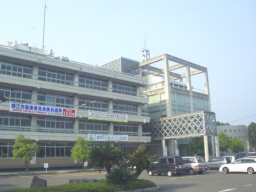
Sabae is a city located in Fukui Prefecture, Japan, known for its rich history, cultural heritage, and economic significance. The city, which lies in the northern part of the country on Honshu Island, is situated near the northern tip of the Keihanshin metropolitan area. Originally established as a castle town in the Edo period (1603-1868), Sabae evolved into a commercial hub, particularly during the Meiji period (1868-1912), when it flourished thanks to the silk industry. Among its notable industries today, Sabae is particularly famous for its eyewear production, earning the nickname "Eyewear Capital of Japan." The industry thrives due to a combination of skilled craftsmanship and advanced manufacturing technology, with many companies producing high-quality frames and lenses that are exported worldwide.
In addition to its industrial prowess, Sabae boasts various cultural and historical attractions. The city is home to Eiheiji, a significant Zen Buddhist temple founded in 1244 and an important center for Soto Zen training. Visitors can explore the temple grounds and witness traditional practices that have been preserved for centuries. Furthermore, Sabae is known for its thriving local arts scene, including traditional crafts such as lacquerware and textiles. The annual Sabae Ebi Festival celebrates local culture with food stalls, traditional dance, and fireworks, drawing visitors from across the region. Outdoor enthusiasts can enjoy the scenic beauty surrounding Sabae, as it is nestled between mountains and close to the Sea of Japan, offering opportunities for hiking, skiing, and beach activities.
Overall, Sabae is a city that blends history, culture, and industry, reflecting the diverse aspects of contemporary Japanese life while preserving its rich heritage. The commitment to craftsmanship in eyewear production, alongside various cultural practices and natural beauty, makes Sabae a unique destination within Japan, appealing to both tourists and businesses alike.
Facts about Sabae
- Sabae is renowned for its traditional eyewear production, being one of Japan's leading cities for manufacturing glasses and sunglasses.
- The city is home to the 'Echizen Soba' noodle, a local specialty made from buckwheat, which is celebrated for its quality and taste.
- Sabae holds the annual 'Echizen Soba Festival,' attracting visitors to celebrate local food culture and traditional crafts.
- The Sabae City Museum showcases the city's history, including exhibits on the evolution of the eyeglass industry and local crafts.
- Sabae is known for the 'Kaiten-Zushi train' system, which is a unique conveyor belt sushi service that originated in the region.
- The city is also recognized for its beautiful natural scenery, featuring the nearby 'Mitsuki Green Park,' which is popular for outdoor activities and festivals.
- Sabae has a long history of traditional crafts, particularly in producing high-quality textiles, known as 'Echizen Ori.'
- The Sabae area is home to historic temples and shrines, including the famous 'Shika no Tani Shrine,' showcasing its rich cultural heritage.
- Sabae was designated a City of Crafts and Folk Art by UNESCO in 2019, highlighting its unique contributions to Japan's craft traditions.
- The city's annual 'Sabae Lantern Festival' features colorful lanterns lit throughout the town, creating a magical atmosphere and drawing large crowds.