Sabha, Libya
- 149,329 people
- 1 places to visit
- 27.0365, 14.429
Places to Visit (1)
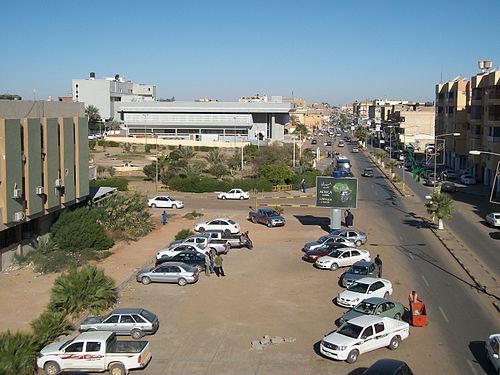
Sabha is a city located in the southwestern region of Libya, serving as the capital of the Sabha District within the larger Murzuq District. Established as a key commercial hub, Sabha has historically been an important oasis city, offering a crucial stop along trans-Saharan trade routes. Its geographic location, situated approximately 600 kilometers south of Tripoli and around 300 kilometers from the nearest coast, has made it a melting pot of diverse cultures, reflecting the various influences from the Tuareg, Arab, and Berber populations. As of the last census, the city has a population of around 100,000 residents, although numbers can fluctuate due to the region's political and socioeconomic dynamics.
Despite its historical significance, the city has faced challenges, particularly after the fall of Muammar Gaddafi in 2011. The political chaos that ensued led to increased instability and conflict among rival factions, including those based in Sabha. The city has witnessed violence and unrest, which have disrupted daily life and commerce. Nevertheless, Sabha remains a center for the trade of goods such as livestock, agricultural products, and textiles, thanks to its strategic location. The city is also home to several educational institutions and healthcare facilities, contributing to the region’s development. Additionally, the nearby ancient Roman ruins of Sabratha and the beautiful landscapes of the Sahara Desert attract some tourism, albeit on a limited scale due to ongoing conflicts.
In recent years, various initiatives have been undertaken to revitalize the city and restore its former economic status. Local and international efforts aim to enhance infrastructure and provide basic services, while community leaders and civil society organizations work towards reconciliation and stability. The future of Sabha is closely tied to the broader political landscape of Libya, making it a focal point for both regional and national developments. As the country continues to navigate its post-revolutionary trajectory, Sabha remains a symbol of resilience and potential amidst the challenges it faces.
Facts about Sabha
- Sabha is known as the 'Gateway to the South' of Libya, serving as a crucial hub for trade and transportation between northern Libya and sub-Saharan Africa.
- The city has a rich history that dates back to ancient times, being part of the region once inhabited by various Berber tribes and later influenced by Phoenician and Roman civilizations.
- Sabha features the Saharan surroundings, which are characterized by unique landscapes, including vast sand dunes and oases, distinguishing it from coastal cities in Libya.
- The Great Sand Sea, located near Sabha, is one of the world's largest erg and is renowned for its stunning natural beauty and extensive sand dunes.
- Sabha is home to diverse cultural influences, with a blend of Arabic, Berber, and Tuareg traditions, making it a center for the Libyan Tuareg community.
- The city hosts the annual Sabha Festival, celebrating local traditions, music, and crafts, which highlights its cultural significance in Libya.
- Sabha played a pivotal role during the Libyan Civil War, serving as a strategic location for various factions and a site of significant military activity.
- The historic 17th-century mosque called the Mosque of Al-Mahdi is one of the notable architectural landmarks in Sabha, showcasing traditional Libyan Islamic architecture.
- Sabha is known for its livestock market, which is one of the largest in Libya, contributing significantly to the local economy and attracting traders from surrounding regions.
- The local population includes a significant number of displaced persons from other parts of Libya, highlighting the city's role as a refuge during times of conflict.