Sabinas, Mexico
- 54,905 people
- 9 places to visit
- 27.8648, -101.1334
Places to Visit (9)
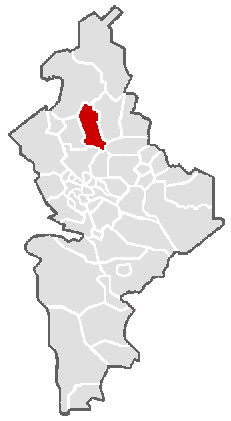
Sabinas is a city located in the northeastern region of Mexico, specifically within the state of Coahuila. It serves as the municipal seat of Sabinas Municipality and is situated near the banks of the Sabinas River. The city lies approximately 150 kilometers southwest of the state capital, Saltillo, and near the borders of the states of Nuevo León and San Luis Potosí. Historically, Sabinas started as a small settlement and experienced considerable growth during the late 19th and early 20th centuries, primarily due to the discovery of coal in the surrounding areas. This coal mining industry played a significant role in the city’s development, attracting workers and leading to the establishment of various infrastructure and services.
Today, Sabinas is characterized by a diverse economy that extends beyond coal mining. While mining remains an important sector, agriculture also plays a vital role, with crops such as alfalfa, maize, and beans being cultivated in the fertile surrounding lands. The city has developed educational institutions, healthcare facilities, and cultural venues that contribute to community life. Key landmarks include the main plaza, which often hosts local festivals and events, and the Church of San Felipe de Jesús, which showcases the region’s historical architecture. The city is also known for its close-knit community and cultural traditions, including various celebrations that highlight its local heritage, such as the festival of Santo Santiago.
Sabinas is strategically located near vital transportation routes, making it an important hub for commerce and trade in the region. Its proximity to larger cities allows residents to access broader economic and cultural opportunities while maintaining a unique local identity. The blend of historical significance and modern development positions Sabinas as an interesting place for visitors and a vital community in Coahuila, reflecting the changing dynamics of rural and urban life in Mexico. Overall, Sabinas exemplifies the rich cultural tapestry and economic evolution that characterizes many mid-sized cities throughout the country.
Facts about Sabinas
- Sabinas was founded in the 18th century and is known for its rich mining history, particularly in coal extraction.
- The city is located in the northern part of the state of Coahuila and is part of the region known for its unique geological formations.
- Sabinas is home to the 'Río Sabinas,' which is an important natural resource that has contributed to both agriculture and the community's development.
- The city celebrates its annual 'Festival de la Primavera' (Spring Festival), which features traditional music, dance, and local gastronomy, distinguishing it from other municipalities.
- Sabinas has a notable history of Indigenous presence, particularly the Coahuiltecan people, which adds a layer of cultural richness to the area.
- The architecture of Sabinas features a blend of modern and colonial styles, with several historic buildings and plazas that highlight its development over the centuries.
- The local economy of Sabinas revolves around mining, agriculture, and commerce, which sets it apart from cities more focused on tourism or manufacturing.
- Sabinas is known for its proximity to the 'Sierra de la Mesa,' a mountain range that provides opportunities for outdoor activities like hiking and bird watching, appealing to nature enthusiasts.
- The city actively participates in community festivals that celebrate local customs, such as Day of the Dead and Independence Day, showcasing a strong cultural identity.
- Sabinas has developed educational institutions that focus on technical and vocational training, contributing to workforce development in the region.