Sacaba, Bolivia
- 180,726 people
- 4 places to visit
- -17.4037, -66.0404
Places to Visit (4)
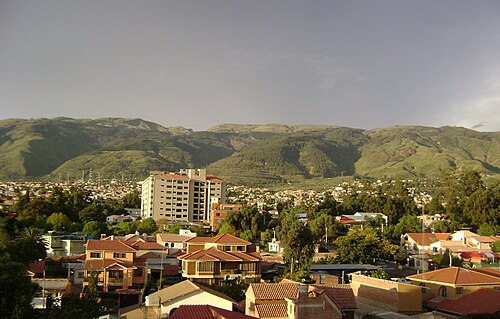
Sacaba is a vibrant city located within the Cochabamba Department of Bolivia, situated just to the east of Cochabamba city, which is the capital of the department. As of the latest census data, Sacaba has a population of approximately 100,000 residents, making it one of the significant urban centers in the region. The city lies at an elevation of around 2,500 meters (8,200 feet) above sea level, nestled in a valley surrounded by the Andes mountains. This altitude contributes to its temperate climate, characterized by mild temperatures and distinct wet and dry seasons, which are conducive to agriculture. The economy of Sacaba is primarily driven by agriculture, with nearby fertile lands producing various crops, including potatoes, corn, and other staples.
Sacaba enjoys a rich cultural heritage, influenced by its indigenous roots, particularly the Quechua people. The city's festivals, traditions, and local cuisine reflect this cultural fusion. An important annual event is the celebration of San Pedro, the patron saint of the city, which features colorful parades, music, and dances that attract both locals and visitors. The city's strategic location provides access to major transportation routes, making it an essential hub for trade and commerce in the region. Public transport is commonly used, with minibuses and taxis serving the population alongside growing infrastructure improvements. Additionally, Sacaba plays a vital role in regional education and health services, housing several educational institutions and health facilities that cater to both locals and residents from surrounding areas.
In recent years, Sacaba has also faced challenges associated with urbanization and rapid population growth, leading to increased demand for housing, infrastructure, and public services. Nevertheless, the city continues to develop and modernize, with efforts focused on improving urban planning and enhancing the quality of life for its residents. As Bolivian society evolves, Sacaba stands out as a testament to the dynamic interplay between tradition and progress, showcasing a unique blend of cultural richness and emerging opportunities within the broader context of Bolivia's socioeconomic landscape.
Facts about Sacaba
- Sacaba is located in the Cochabamba Department of Bolivia, just east of the city of Cochabamba, making it a significant suburban area.
- The city is home to the beautiful 'Plaza de Sacaba', a vibrant public square that serves as a cultural hub for local events and gatherings.
- Sacaba celebrates the festival of 'La Virgen de Urkupiña' every August, which attracts thousands of visitors and showcases traditional Bolivian music and dances.
- Historically, Sacaba was an important agricultural area known for its production of crops due to its fertile valley and favorable climate.
- The 'Carnaval de Sacaba' is unique to the city, featuring colorful parades and traditional Bolivian costumes, distinguishing it from other regional carnivals.
- Sacaba has several natural attractions, including the iconic Tunari National Park, which is popular for hiking and nature tourism.
- The city is also known for its artisan crafts, particularly textiles and pottery, which reflect the indigenous heritage of the area.
- Sacaba boasts a growing economy with a mix of agriculture, manufacturing, and commerce, contributing to its rapidly evolving urban landscape.
- The educational institutions in Sacaba have gained recognition, with local universities and technical schools focusing on sustainable development and environmental studies.
- Sacaba's strategic location makes it an important access point for travelers heading to the nearby Tunari mountain range and other destinations in the Cochabamba region.