Săcele, Romania
- 29,918 people
- 11 places to visit
- 45.618, 25.6943
Places to Visit (11)
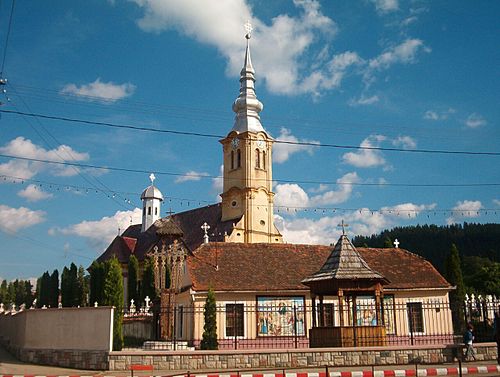
Săcele is a picturesque city located in Brașov County, Romania, nestled at the foothills of the Southern Carpathians. It is situated approximately 10 kilometers from the city of Brașov and serves as a gateway to the beautiful natural landscapes of the region. The city, which is part of the historical region of Transylvania, was first documented in the 14th century and has since developed a rich cultural heritage influenced by both Romanian and Hungarian traditions. Its population, predominantly Romanian, is complemented by a significant Hungarian minority, reflecting the area's diverse history.
The economy of Săcele has traditionally been rooted in agriculture and forestry, with modern developments increasingly including tourism due to its proximity to the popular ski resorts of Poiana Brașov and the scenic hiking trails of the surrounding mountains. The area is known for its stunning natural scenery, featuring lush forests, hills, and the nearby Timiș River, which attracts outdoor enthusiasts year-round. Săcele is also home to several historical landmarks, including the wooden churches that showcase local architectural styles and craftsmanship. The city hosts annual cultural events and festivals that highlight its local traditions, crafts, music, and family-oriented activities, fostering community spirit and preserving its rich heritage.
In recent years, Săcele has seen a steady increase in urban development, with improved infrastructure and public services enhancing the quality of life for its residents. The city is increasingly recognized for its potential as a residential area, drawing families and individuals seeking a quieter lifestyle within reach of urban amenities. Overall, Săcele embodies a harmonious blend of cultural richness, natural beauty, and modern progression, making it a unique destination in Romania that offers both historical depth and a promising future.
Facts about Săcele
- Săcele is known for its unique cultural blend, combining Romanian traditions with influences from the nearby Hungarian and Saxon communities.
- The town has a rich history dating back to the 13th century, initially established as a settlement by Saxon miners.
- Săcele is located at the foothills of the Southern Carpathians, offering stunning natural landscapes and easy access to hiking and skiing opportunities in the nearby mountains.
- The region is famous for its wooden churches, including the historic wooden church of St. Nicholas, showcasing traditional Romanian architecture.
- Săcele hosts the annual 'Săceleni Festival', which celebrates local traditions, crafts, and cuisine, inviting visitors to experience the town's cultural heritage.
- The town is home to several significant historical sites, such as the ruins of the ancient Dacian fortress of Bâtca Doamnei, adding to its historical significance.
- Săcele has a relatively small population compared to more urban centers, giving it a unique small-town charm while still being close to the larger city of Brașov.
- The town is part of the Brașov metropolitan area, allowing for a strategic blend of rural tranquility and urban accessibility.
- Săcele is recognized for its traditional crafts, including pottery and weaving, particularly from local artisans who continue to practice these age-old skills.
- The local community actively engages in preserving the environment, promoting sustainable tourism practices in the surrounding natural areas.