Sado, Japan
- 20,000 people
- 8 places to visit
- 38.0183, 138.3681
Places to Visit (8)
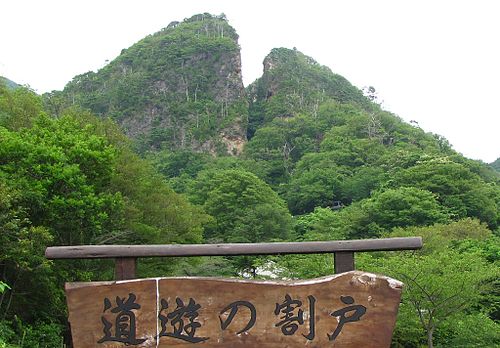
Sado is an island located in the Sea of Japan, part of Niigata Prefecture. Historically significant, Sado is known for its rich cultural heritage and natural beauty. The island covers an area of approximately 855.26 square kilometers and has a population of around 50,000 inhabitants. Sado’s capital and largest city is Sado City, which serves as the primary residential, economic, and cultural center. The island is geologically diverse, featuring mountains, valleys, and a rugged coastline, making it a popular destination for tourists seeking both adventure and relaxation amidst nature.
One of Sado's most notable historical contributions is its role during Japan's feudal era, particularly in the 17th century when it became a place of exile for political dissidents, including the famous poet and Zen monk Matsuo Basho. Sado Island is also known for the Sado Kinzan Gold Mine, a UNESCO World Heritage site recognized for its significance in Japan's mining history. Additionally, the island hosts several traditional cultural practices, such as the Sado no Kitaro dance performance and the Sado Earth Celebration, which showcases local music and arts. Another major attraction is the vibrant local cuisine, particularly its seafood and sake production, which is celebrated throughout Japan.
Tourism on Sado has evolved, with visitors drawn to its unique blend of history, culture, and natural landscapes. The island offers various outdoor activities, including hiking, cycling, and watersports. The scenic beauty of Sado is further enhanced by its seasonal changes, from the blooming cherry blossoms in spring to the rich foliage in autumn. Accessibility has improved with the establishment of ferry services linking Sado to the mainland, making it easier for tourists to experience the island's rich cultural tapestry and breathtaking scenery. Overall, Sado stands as a testament to Japan's history, artistry, and natural wonders, making it a significant part of the country's cultural identity.
Facts about Sado
- Sado Island is home to the historical gold mines, which were among the most productive in Japan during the Edo period, making it a significant site for Japan's economic history.
- The island is famous for its unique cultural heritage, including traditional performing arts like the Sado Okesa dance and the Kodo drumming group, which showcases local music traditions.
- Sado was a place of exile for many prominent figures in Japanese history, including the famous poet and philosopher Nichiren and the last shogun, Tokugawa Yoshinobu.
- Sado Island offers stunning natural landscapes, including the dramatic Shukunegi village, famed for its preserved wooden houses and narrow streets, a rare sight in modern Japan.
- The island is the only place in Japan where the rare Japanese Crested Ibis was successfully reintroduced after it went extinct in the wild.
- Sado features the largest lake in the Niigata Prefecture, Lake Kamo, which supports a diverse ecosystem and is a popular spot for birdwatching.
- Every year, Sado hosts the Earth Celebration, a festival that attracts artists and performers from around the globe, highlighting its commitment to cultural exchange.
- Sado Island is known for its unique climate, which allows for the cultivation of diverse agricultural products such as high-quality rice, sake, and various vegetables not commonly found elsewhere in Japan.
- The island is part of the larger Sado Region, recognized for its beautiful coastlines and rugged terrain that attract outdoor enthusiasts and nature lovers.
- Sado's local cuisine includes specialties such as 'Sado beef', known for its marbling and tenderness, which differentiates it from beef produced in other regions.