Saga, Japan
- 232,736 people
- 2 places to visit
- 33.2631, 130.3009
Places to Visit (2)
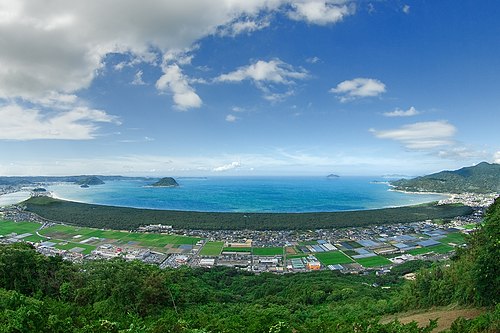
Saga is a city located in the Saga Prefecture on the island of Kyushu, in southwestern Japan. With a population of approximately 120,000, it serves as the capital of the prefecture and is known for its rich cultural heritage and historical significance. The city is situated along the banks of the Chikugo River, which has played a vital role in its development and economy. Saga has a mixed landscape featuring both mountainous regions and fertile plains. The city benefits from a mild climate, making it conducive for agriculture, particularly rice cultivation, which is a significant aspect of its local economy.
Historically, Saga was an important center for pottery and ceramics, particularly during the Edo period, when the Arita and Imari porcelain styles became internationally recognized. This legacy continues to influence the local craft scene, attracting visitors and artisans alike. Additionally, Saga played a crucial role in the Meiji Restoration, as it was the birthplace of several influential leaders and figures who contributed to Japan's modernization. The city is home to various historical sites, including the beautiful Yoshinogari Historical Park, which showcases ancient burial mounds and artifacts from the Kofun period, as well as the Saga Castle, a reconstructed samurai castle that highlights the region's feudal history.
Modern Saga has embraced industrial growth while maintaining its traditional roots. The city is known for its ceramics, particularly in the areas of Imari and Arita, and has developed a thriving tourism sector celebrating its cultural and historical narratives. Events such as the Saga International Balloon Fiesta, which takes place annually, have also put the city on the map as a vibrant destination for both domestic and international tourists. With its unique blend of history, art, and natural beauty, Saga continues to charm visitors, offering a glimpse into both the past and present of Japanese culture.
Facts about Saga
- Saga is known for its ancient pottery, particularly Arita porcelain, which has been produced in the region since the early 17th century and is recognized for its distinctive blue and white designs.
- The city is home to Yoshinogari Historical Park, a large archaeological site that was once the center of a prominent Yayoi culture settlement dating back over 2,000 years.
- Saga is famous for the Saga International Balloon Fiesta, one of the largest hot air balloon festivals in Asia, attracting participants and spectators from around the world each November.
- The region is also known for its production of high-quality beef, particularly Saga beef, which is renowned for its marbling and flavor, often featured in gourmet cuisine.
- Saga Prefecture has a strong historical connection to samurai culture, particularly with the significant Saga Domain that played a key role during the late Edo period and the Meiji Restoration.
- The town of Karatsu, within Saga Prefecture, is famous for its Karatsu pottery—a traditional craft that reflects the influences of both Japanese and Chinese ceramics.
- Saga's natural beauty is highlighted by the picturesque scenery of Mt. Sefuri, which is popular for hiking and offers stunning views of the surrounding landscape.
- The city hosts an annual Saga Summer Festival, which includes traditional tankōbon dances, parades, and firework displays, highlighting local culture and entertainment.
- Saga was the site of the epic 19th-century naval battle known as the Battle of the Saga, which involved samurai and marked a significant moment in Japan's transition to modernization.
- Saga is recognized for its innovative agricultural practices, producing unique fruits such as the Saga Cherry and other high-quality produce that are celebrated in local cuisine.