Sagae, Japan
- 43,544 people
- 9 places to visit
- 38.3805, 140.2764
Places to Visit (9)
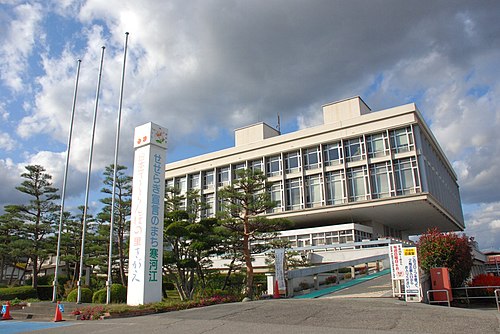
Sagae is a city located in the Yamagata Prefecture of Japan's Tohoku region, situated on the western side of the country. Established as a city in 1954, Sagae has a population of approximately 26,000 residents, making it a relatively small urban area compared to major Japanese cities. The city lies at an elevation of about 350 meters above sea level and spans an area of 127.99 square kilometers. It is nestled between the majestic Chokai Mountains to the west and the Yamagata Basin to the east, which offers picturesque natural scenery representative of the Tohoku region. As a result, Sagae enjoys a temperate climate, characterized by cold winters and warm summers, contributing to its lush landscapes.
Sagae is known for its agricultural production, particularly in cherry farming, which has earned it recognition as one of Japan's leading cherry-producing areas. The cherry blossom season attracts both locals and tourists, celebrating the beauty of the flowers with various festivals. Additionally, the city has a rich cultural heritage, highlighted by historical sites such as the Sagae Castle ruins and traditional festivals that showcase local customs and artworks. The city also benefits from its proximity to larger urban centers like Yamagata City, making it a convenient location for both residents and visitors. Furthermore, Sagae is well connected via highways and rail, facilitating ease of access to the surrounding regions. Its blend of natural beauty, agricultural significance, and cultural heritage makes Sagae a unique and noteworthy destination within Japan.
Facts about Sagae
- Sagae is known for its plum blossoms, particularly the 'Sakae' variety, making it a popular destination for hanami in early spring.
- The city is famous for its high-quality rice, specifically the Tsuyahime variety, which has received accolades for its flavor and texture.
- Sagae hosts the unique 'Sagae Tanabata Festival' every August, which celebrates the traditional star festival with vibrant decorations and events.
- The city is home to the ancient Kokuseki-ji Temple, which dates back to the 8th century and features stunning historic architecture.
- Sagae is distinctive for its 'Sakura Matsuri,' which features cherry blossom viewing and cultural performances unique to the Yamagata Prefecture.
- The Sagae Jinja shrine, dedicated to the goddess of agriculture, is pivotal in the local farming community and showcases traditional Shinto architecture.
- The city's proximity to the Zao Mountain Range makes it a notable destination for winter sports and hiking, differentiating it from many other Japanese towns.
- Sagae is also recognized for its production of sake, particularly from the local breweries that utilize the Tsuyahime rice.
- The city is characterized by its local artisan crafts, including traditional Yamagata Kokeshi dolls that are hand-painted and sought after by collectors.
- Sagae has a rich history of samurai culture, and the remnants of historic samurai residences can be found in the region, offering a glimpse into its past.