Saharsa, India
- 145,764 people
- 5 places to visit
- 25.8774, 86.5928
Places to Visit (5)
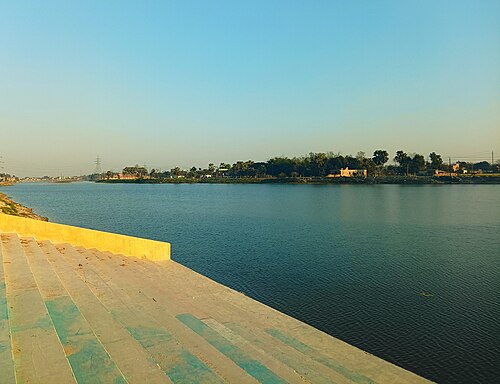
Saharsa is a city located in the Saharsa district of Bihar, India. It serves as the administrative headquarters of both the district and the Saharsa subdivision. Situated in the northern part of the state, Saharsa is bordered by the Kosi River, which plays a significant role in both the geography and the economy of the region. The city lies approximately 200 kilometers east of Patna, the capital of Bihar. It is well connected to other major cities of Bihar and neighboring states through a network of roads and railways, making it accessible for traders and travelers alike.
Historically, Saharsa has been known for its agricultural productivity, especially in rice and wheat cultivation. The fertile alluvial soil, combined with the irrigation provided by the Kosi River, has made the region an important area for farming. The economy of Saharsa is predominantly agrarian, with many residents engaged in farming and related activities. In recent years, there has been a gradual shift toward small-scale industries and commercial activities, contributing to the city's development. The population is diverse, with people from various communities residing in the city, resulting in a rich cultural tapestry characterized by local festivals, traditions, and cuisines.
Education and health infrastructure in Saharsa have seen considerable improvement over the years, with several schools, colleges, and hospitals catering to the needs of the local population. Institutions like the Saharsa College play a crucial role in providing higher education. Although Saharsa faces challenges such as seasonal flooding and economic development, initiatives by the government and local organizations aim to enhance the quality of life in the city. As it continues to evolve, Saharsa remains an integral part of Bihar's cultural and economic landscape, with a promising future ahead.
Facts about Saharsa
- Saharsa is located in the state of Bihar and is known for its rich agricultural landscape, particularly its production of rice and wheat.
- The city is situated on the banks of the Koshi River, which is known for its unpredictable flooding patterns and has significantly influenced the local economy and culture.
- Saharsa is home to the historic Saharsa Fort, which reflects the martial history of the region and serves as a reminder of Bihar's colonial past.
- This city plays a crucial role in the cultural tapestry of Bihar, being a hub for various folk art forms, including music and dance that are unique to the region.
- Saharsa was the birthplace of the notable educator and social reformer, Dr. Rajendra Prasad, who later became the first President of India.
- The city has a rich tradition of festivals, particularly the Sita Navami festival, which celebrates the birth of Goddess Sita and draws visitors from surrounding areas.
- Saharsa's railway station is an important junction that connects it to various major cities, enhancing its position in regional trade and travel.
- The city has a vibrant local marketplace, known for its traditional handicrafts, especially handwoven textiles that are sought after in the state.
- Saharsa is often visited for its educational institutions, which have gained prominence for offering quality education in various fields.
- The city has recently made strides in developing infrastructure, including improved road networks and facilities that support its growing population and economy.