Saijō, Japan
- 58,823 people
- 13 places to visit
- 33.9195, 133.1811
Places to Visit (13)
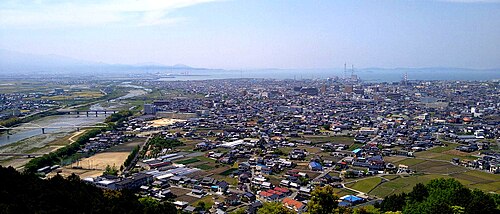
Saijō is a city located in Ehime Prefecture on Shikoku Island, Japan. Established in 1954, Saijō has become known for its rich agricultural heritage and beautiful natural surroundings. The city's population is approximately 40,000 residents, fostering a close-knit community atmosphere. Saijō is situated in the mountainous region of Shikoku, which contributes to its lush landscapes and scenic views. The city is particularly famous for its sake production, with a number of local breweries that have been crafting this traditional Japanese beverage for generations. The high-quality water sourced from the nearby mountains is integral to the brewing process, resulting in distinctive sake that has won acclaim both nationally and internationally.
In addition to its culinary offerings, Saijō is also recognized for its historical and cultural attractions. The historical significance of the region can be traced back to the ancient Kōbō Daishi, who was one of the most prominent figures in Japanese Buddhism and is believed to have traveled through the area. The city is home to several shrines and temples, including the venerable Kamegamori Shrine, where visitors can pay their respects and experience the spiritual atmosphere. Moreover, Saijō’s annual events, such as the Saijō Matsuri, which features traditional music, dance, and colorful processions, highlight the vibrant local culture and attract tourists from various parts of Japan. With its combination of natural beauty, historical depth, and rich culinary traditions, Saijō offers a unique glimpse into the cultural fabric of Japan, making it an appealing destination for visitors seeking to explore the less-traveled paths of the country.
Facts about Saijō
- Saijō is known for its significant sake production, often referred to as the 'Sake Town' of Japan due to its high-quality rice and traditional brewing methods.
- The city is home to the Saijō Sake Matsuri, an annual sake festival that attracts visitors and celebrates the local brewing culture with tastings and cultural events.
- Saijō has a unique geothermal energy project, harnessing hot spring water to generate electricity, making it a pioneer in renewable energy in Japan.
- The city is located in the Hiroshima Prefecture and is surrounded by the picturesque Chûgoku Mountains, providing stunning natural scenery and outdoor activities.
- Saijō's history dates back to the Edo Period, and it features well-preserved historical buildings, including the former Saijō Post Office and various sake breweries.
- The Saijō Agricultural Park showcases local farming products and promotes sustainable agriculture, distinguishing it as a rural center with a focus on eco-friendly practices.
- Saijō is also known for the ancient Mount Hōman, which is a popular hiking destination and offers panoramic views of the surrounding landscape.
- The city has several historical sites associated with the local samurai culture, attracting history enthusiasts interested in feudal Japan.
- Saijō hosts a number of traditional craft workshops, including pottery and textile production, maintaining cultural heritage that is unique to the region.
- The city was recognized as a UNESCO Creative City of Gastronomy in 2021, highlighting its rich culinary traditions and innovative food culture.