Saint-André, Réunion
- 57,150 people
- 6 places to visit
- -20.9604, 55.6509
Places to Visit (6)
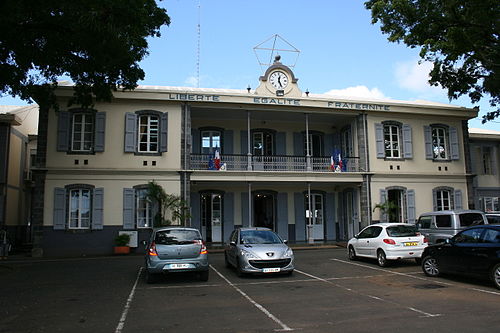
Saint-André is a commune located on the eastern coast of Réunion Island, which is a French overseas department in the Indian Ocean. Established in 1665, it has evolved from a small agricultural settlement into a vibrant community with a population of approximately 40,000 residents, making it one of the larger towns on the island. The commune is characterized by its rich cultural heritage, which is influenced by a blend of French, African, Indian, and Creole traditions. This diversity is evident in the local cuisine, music, and festivals, which celebrate the island's multicultural identity.
Geographically, Saint-André is nestled between the rugged terrain of the interior mountains and the Indian Ocean, providing a backdrop of stunning natural beauty. The region enjoys a tropical climate, with warm temperatures and frequent rainfall that support lush vegetation and agriculture. The local economy predominantly revolves around sugarcane cultivation, although there has been a gradual shift towards tourism and service sectors in recent years. The town serves as a gateway for visitors exploring the nearby natural attractions, including waterfalls, hiking trails, and the famous Piton de la Fournaise volcano, one of the most active volcanoes in the world.
Saint-André is also known for its vibrant community life and public spaces, including parks and markets where locals gather. Key landmarks include the Church of Saint-André, which showcases impressive local architecture and stands as a testament to the town's historical significance. The commune plays host to various cultural events throughout the year, celebrating its rich heritage and ensuring that tradition remains a vital part of daily life. Overall, Saint-André exemplifies the unique blend of natural beauty, cultural diversity, and evolving economic landscapes that define Réunion Island.
Facts about Saint-André
- Saint-André is known for its unique Creole heritage, blending French, African, Indian, and Chinese influences, which is distinctly evident in its culture and festivals.
- The city is home to the historic 'Sainte-Rose de Lima' church, an architectural gem which showcases local religious practices and is a focal point for community gatherings.
- Saint-André hosts the renowned 'Festival of the Lanterns', a vibrant celebration that highlights the city's diverse culture and attracts visitors from all over Réunion.
- The city has a significant agricultural production, particularly noted for its sugar cane fields, which play a vital role in Réunion's economy and history.
- Saint-André is located near the 'Rivière des Marsouins', which offers picturesque landscapes and serves as a hub for outdoor activities like hiking and fishing.
- The city has a reputation for its rich musical scene, particularly in genres like Maloya and Sega, which are integral to the cultural identity of Réunion Island.
- Saint-André is recognized for its ecological initiatives, including community efforts to promote sustainable development and protect local biodiversity.
- The city's vibrant local market, 'Marché de Saint-André', is popular for its variety of local produce, handicrafts, and traditional foods, making it a cultural hotspot.
- Saint-André plays an important role in the education sector of Réunion, hosting several key institutions that contribute to the island's educational landscape.
- The city has historical significance due to its proximity to early settlements and plantations, tracing back to the colonial era, which shaped the region's socio-economic development.